Parents in Narayanapuram have access to 3 indexed early childhood education centers serving the local community in Andhra Pradesh. The average evaluation score across these centers stands at 88 out of 100, reflecting generally solid standards in early education delivery within this smaller urban locality. This score indicates that most centers maintain reasonable quality benchmarks, though parents should still conduct their own visits and assessments. The concentration of preschools in Narayanapuram serves families primarily in the Pilligundla neighborhood and surrounding areas, providing reasonable access for residents seeking early childhood programs for children aged 2 to 6 years.
Pre-Primary Learning Frameworks in Narayanapuram
Montessori and Playway approaches dominate the early education landscape in Narayanapuram, and these curriculums appeal strongly to local families for different but complementary reasons.
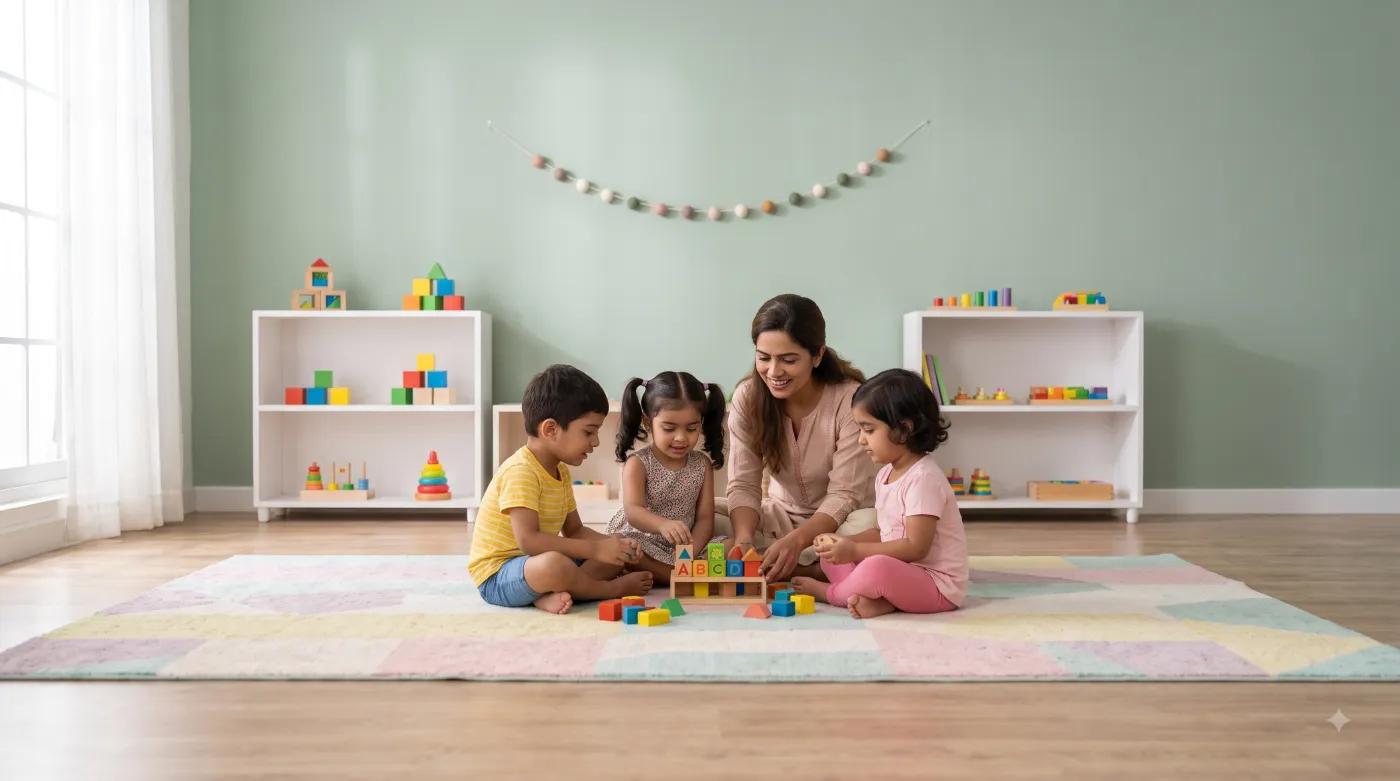
The Montessori method works well for parents who want their children to develop independence and self-direction at an early age. In Narayanapuram preschools using this approach, children typically work with specialized learning materials at their own pace, choosing activities from organized shelves. This structure helps build concentration, fine motor skills, and a sense of responsibility for one's own learning. Many parents in the area appreciate how Montessori environments encourage children to care for their space and materials, skills that transfer effectively to home routines.
Playway methodology aligns with traditional expectations in Narayanapuram while still incorporating modern child development principles. These programs use games, songs, storytelling, and hands-on activities to introduce language, numbers, colors, and social skills. Teachers guide structured play sessions that help children learn to share, take turns, and follow group instructions. This approach tends to feel familiar to parents who attended preschool themselves and want a balance between academic introduction and childhood enjoyment.
Some Narayanapuram centers blend elements from both approaches, offering structured activity periods alongside free play time. Parents should ask about daily schedules during center visits to understand exactly how these frameworks are implemented.
Neighborhood & Campus Infrastructure
Preschools in Narayanapuram concentrate primarily within the Pilligundla area, making this neighborhood the main hub for early childhood education options. This clustering means families in Pilligundla typically have the most convenient access, while those in outlying parts of Narayanapuram may need to travel slightly longer distances.
Fee structures at Narayanapuram preschools generally fall within accessible ranges appropriate for the local economic profile. Monthly tuition typically covers instruction, basic materials, and at least one meal or snack period. Parents should clarify exactly what each program includes before comparing costs, as some centers bundle transportation or activity fees separately.
Facility standards vary across the three indexed centers. Most established preschools in the area provide dedicated classrooms with child-sized furniture, outdoor play spaces, and basic learning resources. Parents visiting centers should observe whether classrooms have adequate natural light, ventilation, and age-appropriate learning materials on display. Playground equipment and outdoor areas deserve particular attention, especially during monsoon season when outdoor activities may shift indoors.
Safety & Operational Verification
The 88 out of 100 average evaluation score reflects assessments across multiple operational dimensions that parents should understand when selecting a center.
Security infrastructure at evaluated centers typically includes perimeter fencing, controlled entry points, and CCTV monitoring in common areas. Parents should confirm whether cameras cover all play zones and classrooms, not just entrances and exits. Ask about visitor check-in procedures and whether unauthorized adults can easily access child areas.
Caregiver-to-child ratios directly impact the quality of attention each child receives. Lower ratios mean more individualized interaction. Inquire specifically about how many children each teacher or assistant is responsible for during different parts of the day, including outdoor play and meal times.
Hygiene standards encompass bathroom facilities, food preparation areas, toy sanitization practices, and general classroom cleanliness. Verify that toileting areas are age-appropriate and cleaned regularly. If centers provide meals or snacks, ask about food handling certifications and allergy management protocols. These factors contribute meaningfully to the overall evaluation scores and should factor prominently in parent decision-making.