
1-242/9, MSM Nagar, RTC Colony, Puttur, Andhra Pradesh 517583, India
Parent Guide: Best Preschools & Daycares in Puttur
Parent Guide: Best Preschools & Daycares in Puttur
Puttur, a growing town in the Tirupati district of Andhra Pradesh, currently hosts 1 indexed preschool center serving local families. According to verified evaluation data, the early education facilities here maintain an average quality score of 88 out of 100, which places Puttur comfortably above the baseline standard for tier-3 towns in the region. This metric reflects consistent operational compliance, structured curriculum delivery, and adequate infrastructure across the limited but focused options available to parents.
The pre-primary segment in Puttur is compact, with most families seeking enrollment for children between the ages of 2 and 5. Parents in this part of Andhra Pradesh typically prioritize foundational readiness over academic acceleration during these early years, which shapes the kind of pedagogical frameworks that have gained traction locally.
Pre-Primary Learning Frameworks in Puttur
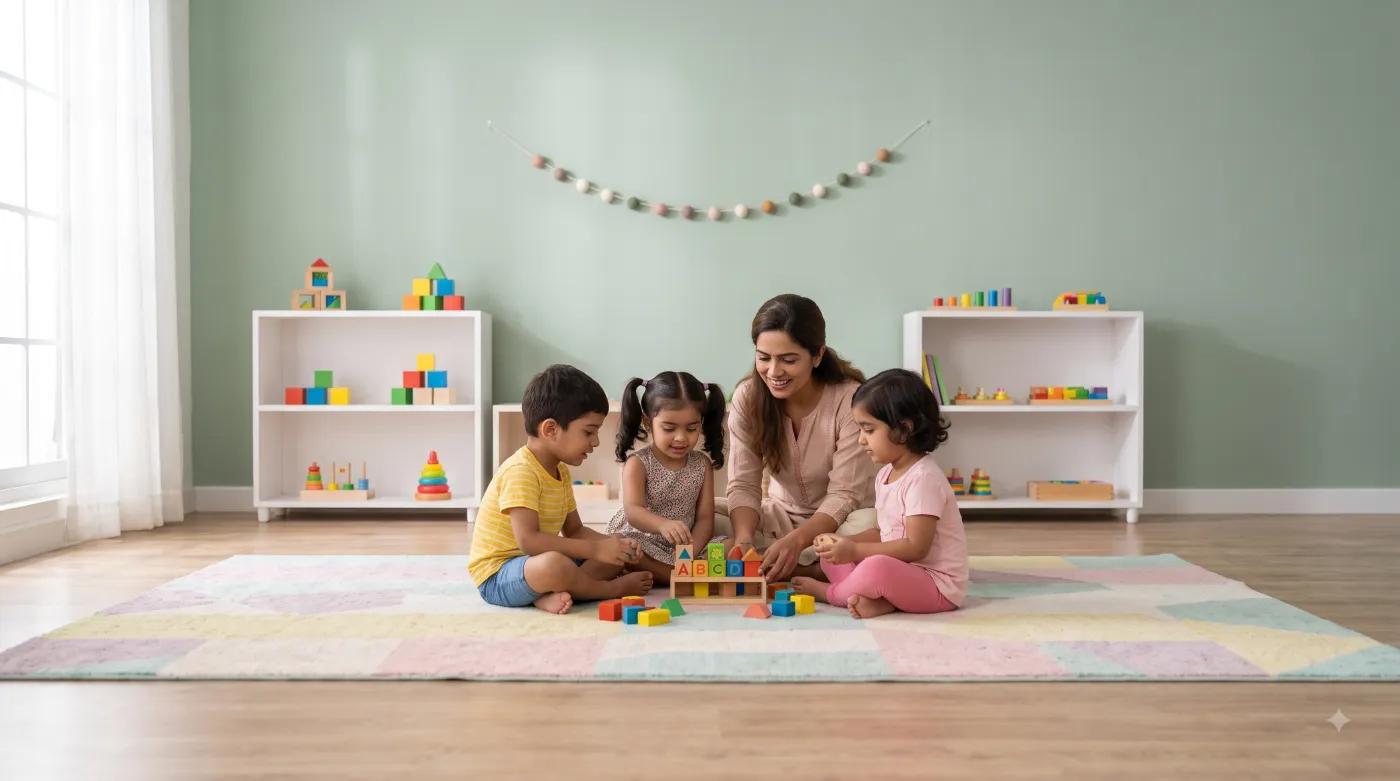
The two dominant curricula available in Puttur are Montessori and Playway methods. Both approaches align well with the expectations of local families who want their children to develop independence, sensory awareness, and social skills before entering formal schooling.
- Montessori Method: This framework emphasizes self-directed activity, hands-on learning materials, and mixed-age group interaction. Children choose tasks from a prepared environment, which builds decision-making skills and concentration from an early age. For Puttur families who plan to eventually enroll children in CBSE or state board schools, Montessori provides a structured bridge between free play and academic structure.
- Playway Method: Rooted in activity-based learning, Playway focuses on learning through play, storytelling, music, and group games. It is particularly effective for children in the 2 to 4 age bracket who benefit from language acquisition and motor development through guided play rather than seated instruction.
Both curricula work well for the Puttur community because they require minimal textbook dependency, rely on trained facilitators rather than degree-holding teachers, and align with the learning readiness profile of children in semi-urban Andhra Pradesh.
Neighborhood & Campus Infrastructure
The indexed preschool in Puttur is located in the RTC Colony area, which is one of the more accessible residential pockets in the town. RTC Colony offers proximity to the main bus stand and local commercial activity, making daily commute convenient for working parents. Most preschools in this neighborhood operate from independent buildings or dedicated floors in residential complexes, with typical fee bands ranging between 3,000 to 6,000 per month depending on the curriculum and inclusions.
Facility standards in Puttur preschools generally include child-safe furniture, separate activity zones, outdoor play areas, and basic learning aids. Given the small number of indexed centers, parents have limited but well-defined options, which means most centers operate near full enrollment and maintain waiting lists during admission season.
Safety & Operational Verification
Every preschool indexed in Puttur is evaluated against a 100-point framework that covers three critical operational areas.
- CCTV and Physical Security: Centers are checked for functional surveillance across classrooms, entry points, and play zones. Secure entry systems and visitor logs are also verified to ensure controlled access throughout the day.
- Caregiver Ratios: Evaluators confirm that the student-to-teacher ratio falls within acceptable limits for each age group, ensuring adequate individual attention and supervision during activities.
- Hygiene and Health Standards: This includes sanitation of toilets and kitchens, clean drinking water access, first-aid readiness, and daily cleaning protocols for learning materials and shared surfaces.
The 88/100 average score across Puttur indicates that the indexed centers are performing reliably on these parameters, though parents should still conduct personal visits to observe classroom dynamics and speak directly with facilitators before finalizing admission.