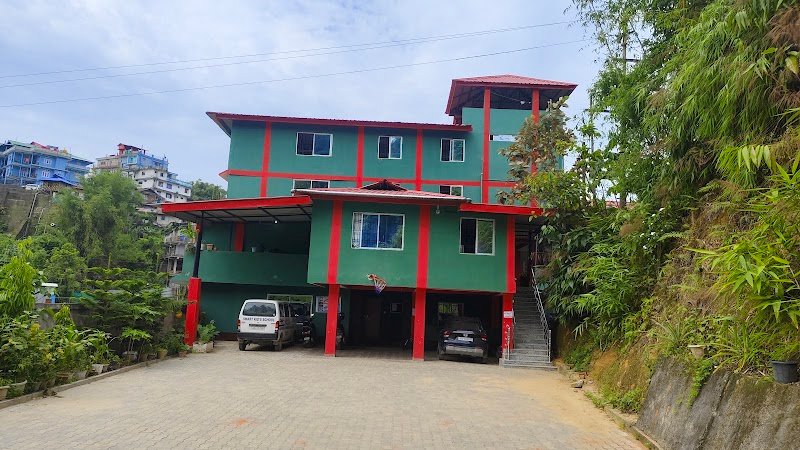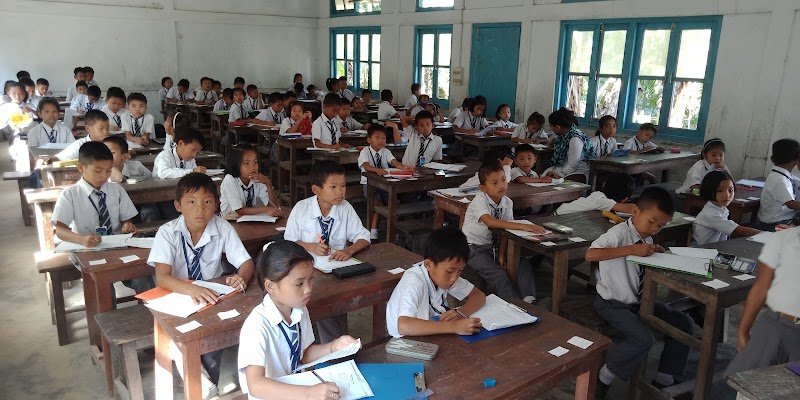
Raga, a distinct locality within Arunachal Pradesh, is currently home to ten indexed preschool and daycare centers. For local parents, these facilities represent the primary option for early childhood education in the area. Based on recent data, the average evaluation score across these institutions stands at 88/100. This metric reflects a generally high standard of operational consistency, instructional quality, and facility maintenance. While the number of centers is modest, the concentration of resources allows for a focused educational environment. Parents in Raga are seeing a steady improvement in the quality of care provided, with most centers meeting or exceeding regional benchmarks for early development. The local market is maturing, moving away from basic babysitting toward structured pedagogical frameworks that prepare children for formal schooling.
Pre-Primary Learning Frameworks in Raga
The dominant curricula in Raga are Montessori and Playway, and their prevalence is not accidental. Local parents have shifted their expectations from passive supervision to active cognitive development. Montessori education is favored for its child-led approach, which encourages independence and self-discipline. In a smaller community like Raga, this method allows teachers to provide individualized attention, helping each child progress at their own pace without the pressure of a rigid classroom schedule.
Playway, on the other hand, resonates with parents who prefer a more structured, activity-based learning path. It combines play with specific learning modules, making it easier for parents to track milestones such as literacy and numeracy skills. The combination of these two frameworks covers a wide spectrum of learning styles. Children who thrive on exploration benefit from Montessori environments, while those who respond well to guided instruction do well with Playway. This dual presence ensures that families in Raga have meaningful choices that align with their specific educational philosophies, rather than being limited to a single, standardized model.
Neighborhood & Campus Infrastructure
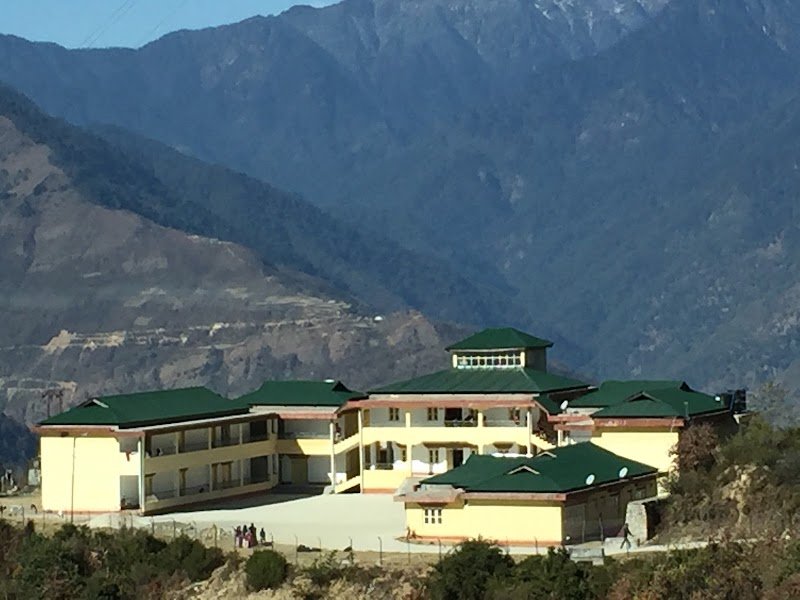
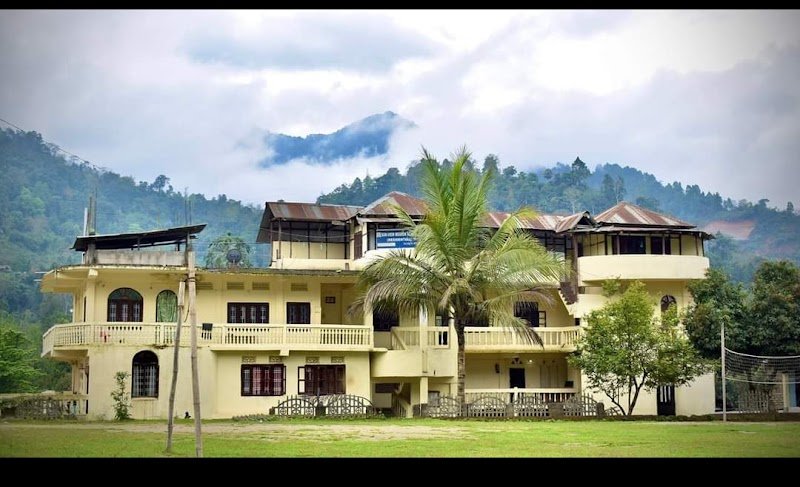
The distribution of these ten centers is strategically spread across the major residential pockets of Raga, including the Central Zone, North Hub, South Hub, and East Zone. This geographic spread minimizes commute times for families, which is a critical factor for working parents. The Central Zone typically hosts centers with the most established infrastructure, often featuring larger indoor play areas and dedicated outdoor playgrounds. The North and South Hubs have seen rapid development, with newer campuses offering modern amenities such as air-conditioned classrooms and digital displays.
Fee structures in Raga generally fall into moderate bands, making quality education accessible to the local middle class. While premium facilities in the Central Zone may charge slightly higher fees due to superior hardware and lower student-to-teacher ratios, the overall cost remains competitive compared to larger city centers in Arunachal Pradesh. Facility standards are consistently high, with most centers featuring separate toilet blocks for boys and girls, dedicated nap rooms, and secure perimeters. The East Zone, while newer to the preschool market, has seen several centers build facilities to current safety standards, ensuring that location does not compromise quality.
Safety & Operational Verification
Safety is the non-negotiable baseline for all ten indexed centers in Raga. The evaluation score of 88/100 is heavily weighted toward operational safety protocols. Every center is required to maintain functional CCTV coverage in all common areas, including entry gates, corridors, and play zones. This footage is typically reviewed daily and retained for a set period to ensure accountability.
Caregiver ratios are strictly monitored to ensure that teachers can attend to each child’s needs. A ratio that is too high can lead to supervision gaps, while a well-managed