
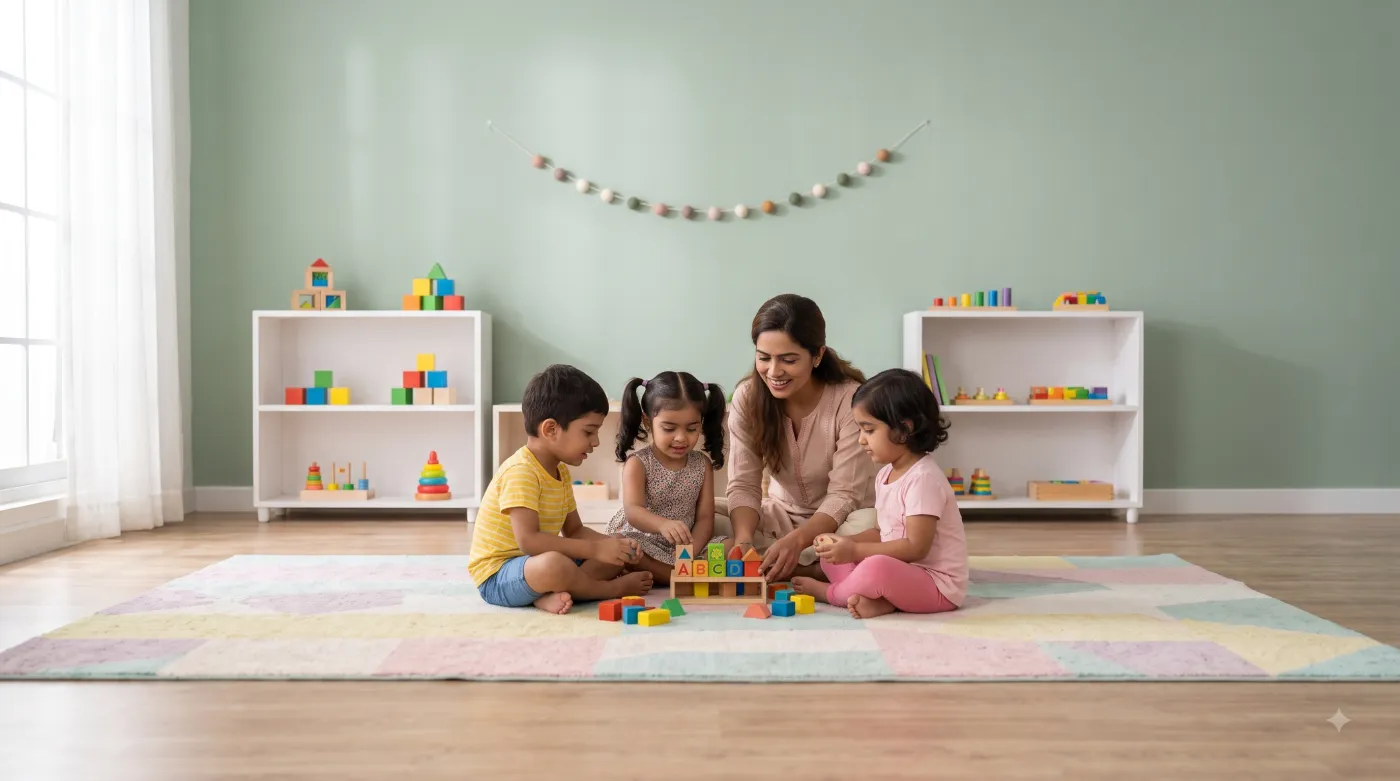
Longleng, a modest town in Nagaland, now hosts 19 indexed preschools and daycares. Recent data shows an average evaluation score of 88 out of 100, indicating a generally high level of quality across the board. Parents looking for early‑learning options can expect a mix of well‑run facilities, most of which follow recognized curricula and meet basic safety standards. This guide breaks down the main learning approaches, where centers are located, and what to check before enrolling your child.
Pre‑Primary Learning Frameworks in Longleng
Two curricula dominate the local market: Montessori and Playway. Both are favored because they match the expectations of families who want a child‑centered experience without heavy academic pressure.
- Montessori focuses on hands‑on materials, self‑directed activity, and mixed‑age classrooms. Children learn at their own pace, building concentration and independence early on.
- Playway blends structured play with basic literacy and numeracy concepts. It keeps lessons lively, using games, songs, and storytelling to develop language and social skills.
Parents often choose between the two based on their child’s temperament. Montessori works well for kids who thrive on routine and quiet exploration, while Playway suits energetic learners who enjoy group interaction. Both approaches aim to develop confidence, problem‑solving ability, and a love of learning before formal schooling begins.
Neighborhood & Campus Infrastructure
Preschool locations cluster around the four main neighborhoods: Yongphao, Noksosang, Pongching, and Shemnyuching. Each area offers a range of fee bands, allowing families to pick a center that fits their budget while still meeting basic quality criteria.
- Yongphao – Home to 5 centers, most charge between ₹3,000 and ₹5,000 per month. Facilities often include small playgrounds and a dedicated reading corner.
- Noksosang – Hosts 4 centers, with fees ranging from ₹4,000 to ₹6,500. Many schools here have upgraded classrooms equipped with low‑height shelves and child‑sized furniture.
- Pongching – Contains 5 centers, typically priced at ₹3,500 to ₹5,500. Several institutions share community halls for events and parent meetings.
- Shemnyuching – Holds the remaining 5 centers, fees often sit between ₹4,200 and ₹7,000. This neighborhood tends to have newer buildings with better ventilation and natural lighting.
Across all neighborhoods, most centers provide a fenced outdoor area, a basic kitchen for snacks, and a waiting lounge for parents. When touring a campus, note the condition of flooring, the availability of child‑size toilets, and whether the play area is shaded.
Safety & Operational Verification
Safety checks are a mandatory part of the evaluation process that yields the 88/100 score. Parents should verify that each center meets the following criteria before signing up.
- CCTV coverage – At least two cameras should monitor entry points and the main activity room. Ask to see a live feed or recent footage.
- Caregiver‑to‑child ratios – The standard is 1 adult for every 6 children in Montessori rooms and 1 for every 8 in Playway settings. Ratios higher than these may indicate understaffing.
- Hygiene protocols – Look for daily cleaning logs, hand‑washing stations at child height, and regular pest control. Centers should also have a clear policy for managing illness, including isolation areas and parent notification procedures.
- Emergency preparedness – Confirm that staff have first‑aid training, fire‑exit routes are clearly marked, and evacuation drills are practiced at least twice a year.
By checking these points, you can feel confident that the preschool you choose not only supports early learning but also keeps your child safe and comfortable throughout the day.