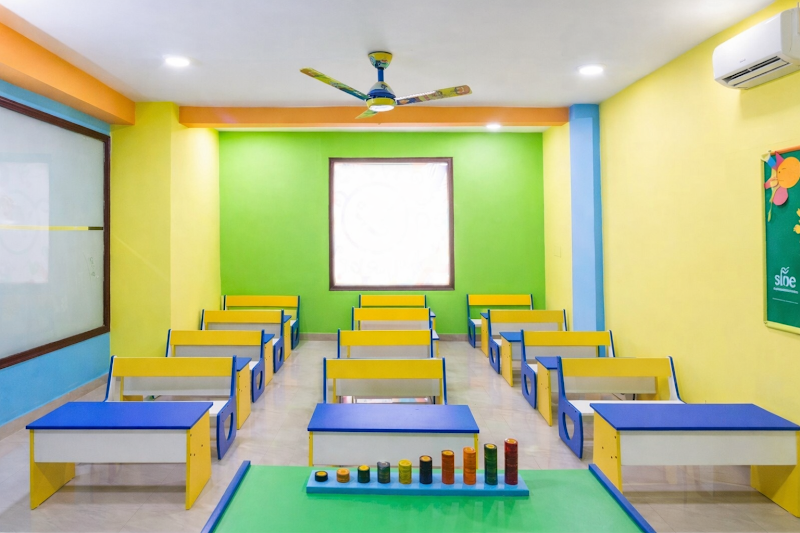
Choosing the right early education environment in Dwarka, Delhi, requires looking beyond marketing brochures and digging into verified data. With 13 indexed centers currently operating across the sector, parents have a curated selection rather than an overwhelming, unregulated market. The average evaluation score of 88/100 indicates a generally high standard of care and instruction, but it also highlights that consistency is key. This guide breaks down the specific educational frameworks, infrastructure realities, and safety protocols you need to know before enrolling your child in one of these top-rated facilities.
Pre-Primary Learning Frameworks in Dwarka
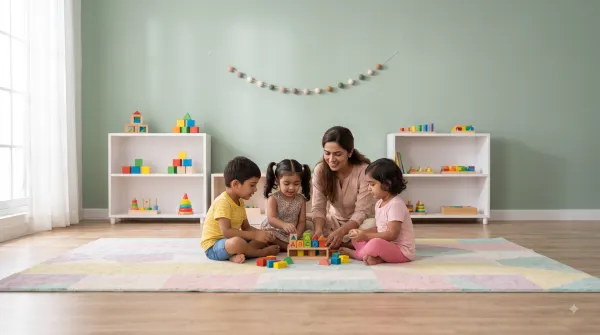
The dominant pedagogical approaches in this area are Montessori and Playway. These two methods are not just trendy labels; they represent distinct, structured ways of handling early childhood development that resonate with local families. Montessori centers in Dwarka focus on child-led exploration within a carefully prepared environment. Children work with specific sensory and practical life materials, allowing them to learn at their own pace. This approach builds strong independence and concentration skills, which is particularly valuable for children transitioning from home to a structured school setting.
On the other hand, Playway is a curriculum-based method that integrates learning through play, music, and movement. It is often preferred by parents who want a more guided, syllabus-driven experience. Playway ensures that children hit specific developmental milestones in literacy, numeracy, and motor skills while keeping the atmosphere joyful. The popularity of these two frameworks stems from their balance: Montessori offers freedom within structure, while Playway offers structure through fun. When you visit a center, ask specifically how they adapt these frameworks to your child’s current age group, as a one-size-fits-all approach is a red flag in early education.
Neighborhood & Campus Infrastructure
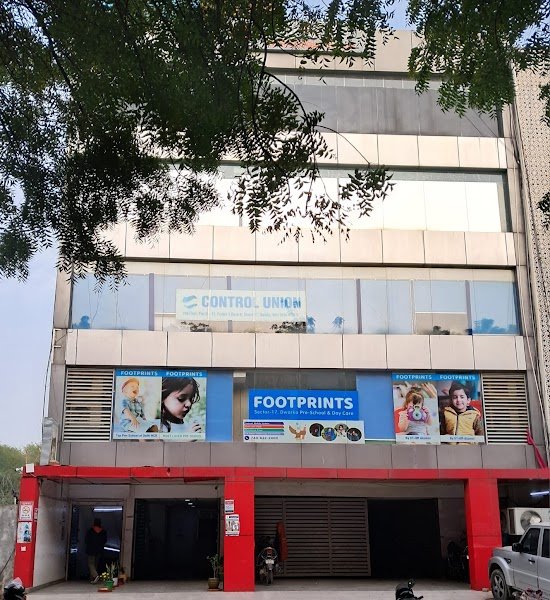
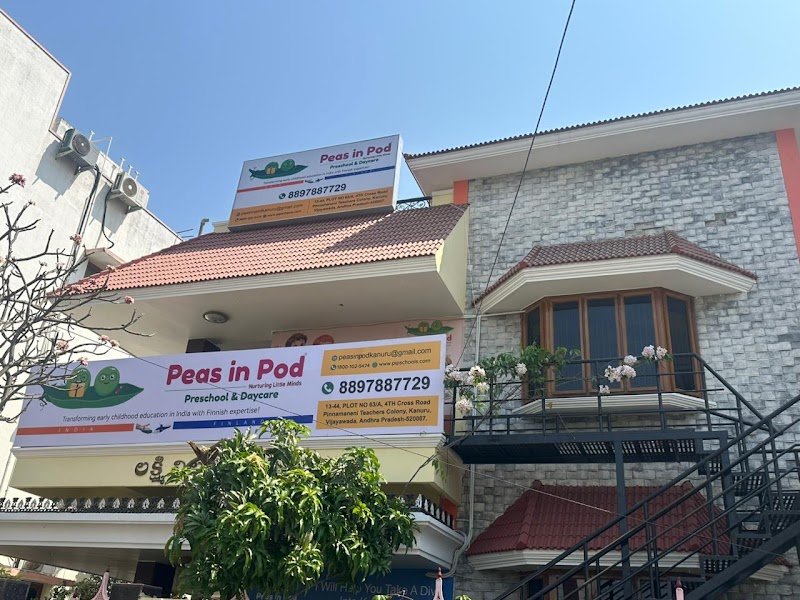
The distribution of these 13 centers across Central Zone, South Hub, and West Zone offers parents geographic flexibility, but each area has its own infrastructure nuances. Central Zone tends to host centers with more established reputations and slightly higher fee bands, often reflecting older, well-maintained buildings with ample natural light. South Hub has seen a surge in newer facilities, which often feature modern amenities like dedicated nap rooms and updated playground equipment. West Zone centers frequently balance cost and quality, making them a popular choice for families seeking value without compromising on basic standards.
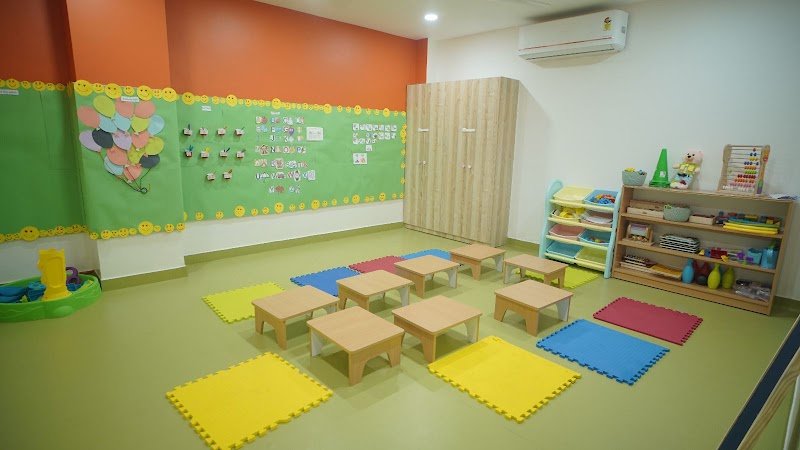
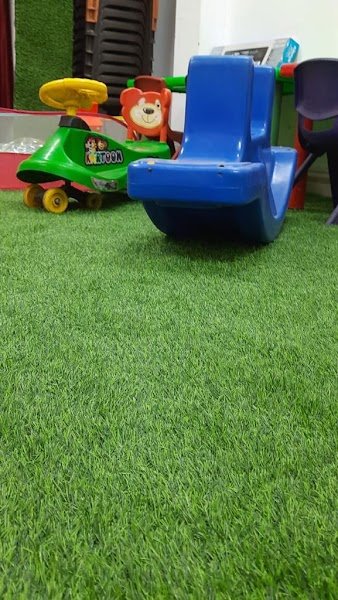
Facility standards across these neighborhoods are generally robust, but you should verify specific details. Look for centers that maintain a low student-to-teacher ratio, typically 1:5 for toddlers and 1:10 for preschoolers. The physical space should include secure, fenced outdoor play areas with soft-surfaced ground cover to prevent injuries. Indoor spaces should be well-ventilated and free from clutter, ensuring that learning materials are accessible to children at their eye level. Fee bands in Dwarka vary, but the 88/100 average score suggests that higher fees do not always guarantee superior quality; instead, consistent operational discipline is the key driver of high ratings.
Safety & Operational Verification
An evaluation score of 88/100 is not given lightly. It is derived from rigorous checks on safety and hygiene. Every indexed center must meet strict criteria for CCTV security, ensuring that camera coverage is comprehensive and accessible to authorized guardians where applicable. Caregiver ratios are strictly monitored; a center that claims to be Montessori but has a 1:15 ratio for toddlers will fail this metric. Hygiene standards are equally critical, with regular audits for sanitation of play areas, kitchen facilities, and washrooms