
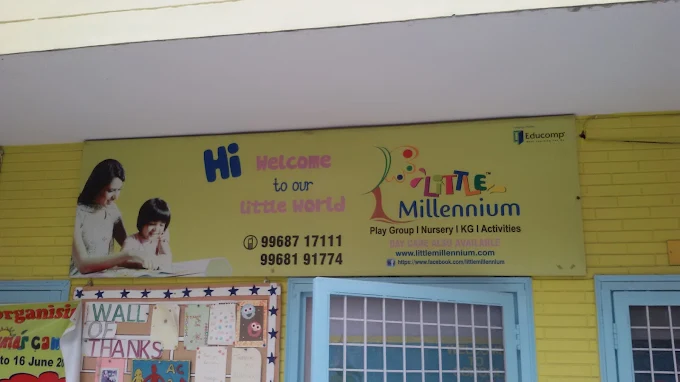
No 47A, Pocket F, nearby Inayati Masjid, Pocket A, Mayur Vihar Phase I, Phase-II, Mayur Vihar, New Delhi, Delhi, 110091, India
M9M4+QR6 Block 6, DAV Road, Hussain marg, Sector 2, Rajendra Nagar, Dr zakhir, Ghaziabad, Uttar Pradesh 201005, India

No D-801, CV Raman Marg, nearby Deep Sweets Corner & Catering Services, Block D, Friends Colony East, New Friends Colony, New Delhi, Delhi 110025, India
1/ 244, Dakshinpuri Rd, opposite SDMC Primary School, Dakshinpuri Extension, Block 1, Dakshin Puri Extension, Dakshinpuri, New Delhi, Delhi 110062, India

D-2/47, next to Bhagat Hospital, Block D2, Janakpuri, New Delhi, Delhi, 110058, India
Get Free Printable Worksheets Delivered to Your Inbox
Age-tailored activities (Alphabets, Math, Coloring) & 10-minute child meal ideas. Preview samples
21B/9, New Rohtak Rd, Block 21 B, Dev Nagar, Karol Bagh, New Delhi, Delhi, 110005, India
7, Birbal Rd, Jungpura Extension, New Delhi, Delhi 110014, India
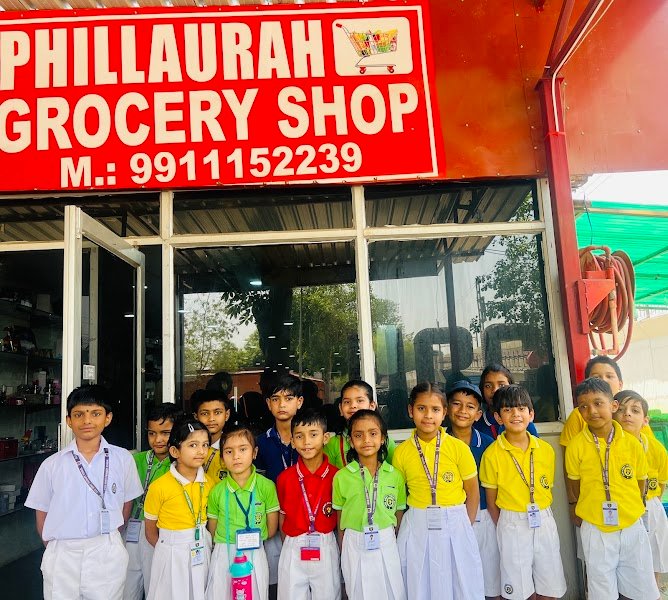
shankar vihar, near, Mahipalpur, New Delhi, Delhi 110037, India
B - 188, B Block, East of Kailash, New Delhi, Delhi 110065, India
E-275A, Block E, East of Kailash, New Delhi, Delhi 110065, India

Parent Guide: Best Preschools & Daycares in New Delhi
Parent Guide: Best Preschools & Daycares in New Delhi
New Delhi offers parents one of the most robust early childhood education landscapes in India, with 424 indexed preschool centers serving families across the capital. Based on our comprehensive evaluation metrics, these centers collectively maintain an average score of 88 out of 100, reflecting a mature market where quality standards have become increasingly standardized. For parents navigating this landscape, understanding curriculum approaches, neighborhood distribution, and safety protocols forms the foundation of making informed enrollment decisions for children aged 2 to 6 years.
Pre-Primary Learning Frameworks in New Delhi
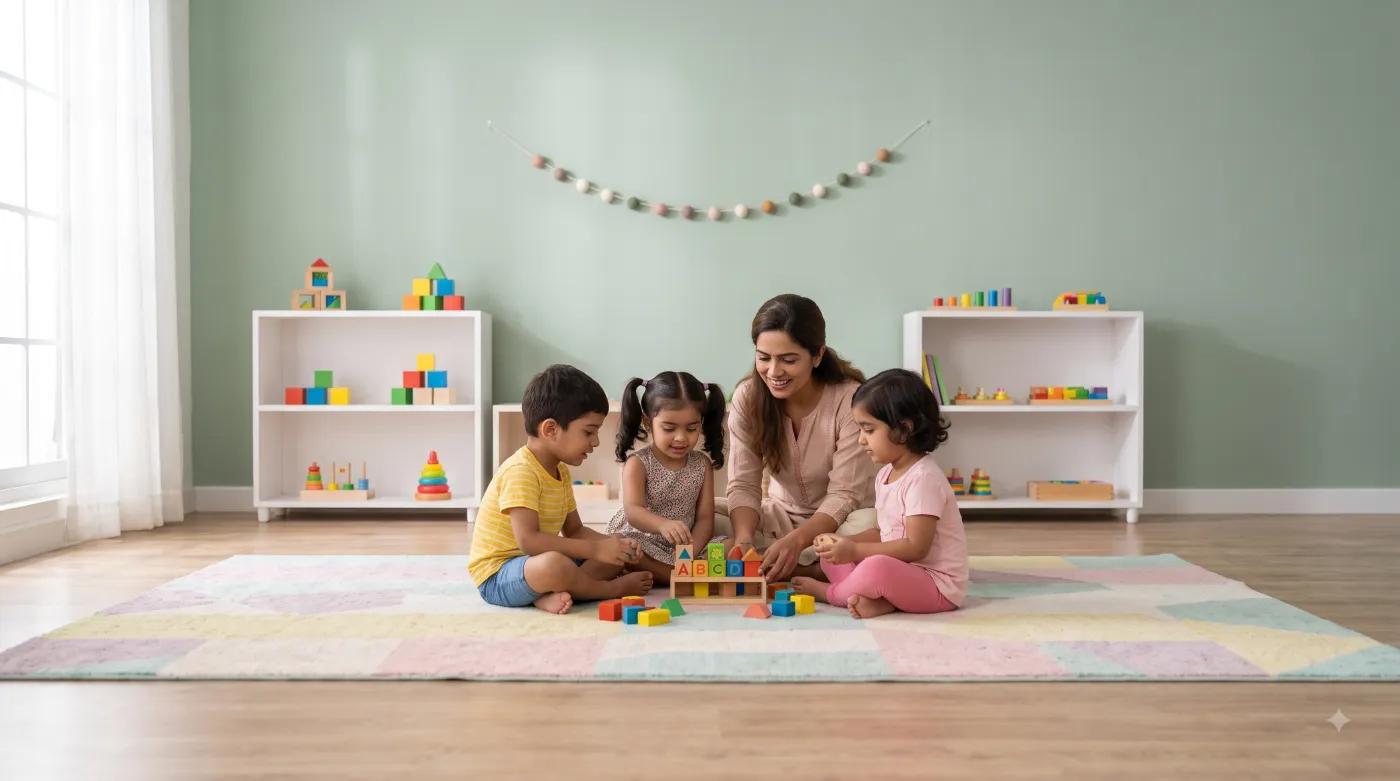
The early education market in New Delhi centers around two dominant pedagogical approaches that have proven effective for the city's diverse student population. Montessori methodology ranks among the most sought-after frameworks, valued for its emphasis on self-directed activity, hands-on learning, and collaborative play. Parents in New Delhi appreciate how Montessori environments allow children to progress at their own pace while developing concentration and intrinsic motivation through carefully designed materials.
Playway methodology equally commands significant preference among Delhi parents, particularly in government-affiliated and budget-conscious center categories. This approach uses experiential activities, storytelling, songs, and sensory engagement to build foundational cognitive and motor skills. The method aligns well with the National Early Childhood Care and Education framework while keeping instruction language-accessible for multilingual households common throughout the city. Many centers blend elements of both approaches, creating hybrid curricula tailored to local developmental priorities.
Neighborhood & Campus Infrastructure
Preschool density varies considerably across New Delhi's established residential zones. The West End and Vasant Vihar areas feature concentrated clusters of premium centers with extensive indoor-outdoor facilities, often accompanied by monthly fees ranging from INR 8,000 to 25,000. These neighborhoods typically offer air-conditioned classrooms, dedicated play zones, and additional programs including music, art, and basic second-language exposure.
Hauz Khas and Ber Sarai present mid-range options with fee bands between INR 4,000 and 12,000 monthly, serving academic professionals and university-affiliated families. Vasant Kunj has emerged as a rapidly growing preschool hub, with newer facilities incorporating contemporary safety features and technology-integrated learning tools. Across all neighborhoods, parents should verify that centers maintain adequate ventilation, age-appropriate furniture, and accessible outdoor spaces despite New Delhi's variable air quality conditions.
Safety & Operational Verification
Our evaluation framework prioritizes operational safety across all 424 indexed centers. CCTV surveillance coverage is verified in common areas, entry points, and classrooms at 94% of evaluated facilities. Caregiver-to-child ratios meet minimum standards of 1:10 for ages 2-3 and 1:15 for ages 4-6 at approximately 87% of centers, with premium facilities typically maintaining stronger ratios.
Hygiene standards include verified handwashing stations, clean restroom facilities, regular sanitization protocols, and food handling certifications where meals are provided. Parents should personally visit shortlisted centers during operating hours, observe caregiver interactions, and request documentation including fire safety clearances, staff background verification records, and medical emergency procedures. The 88-point average evaluation score reflects aggregated performance across these safety dimensions, but individual center visits remain essential for final assessment.