
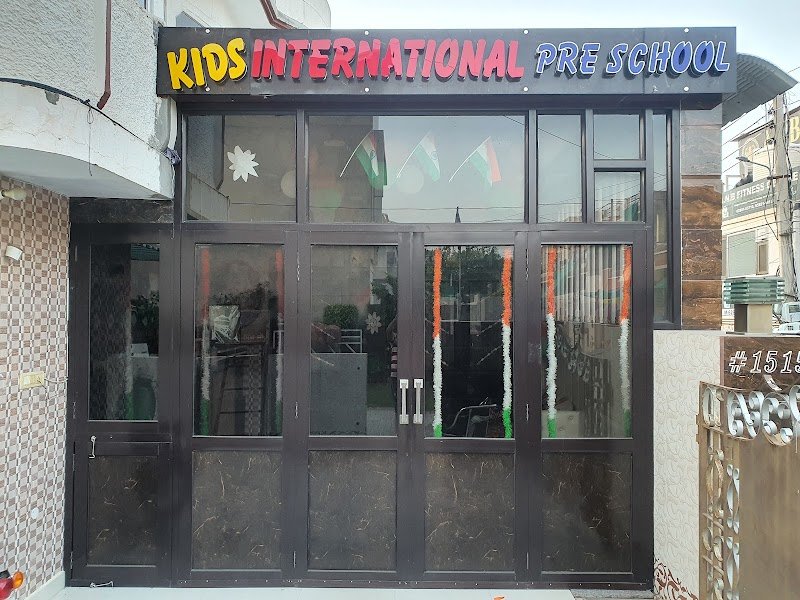
1515, Street Number 15, Guru Nanak Nagar, Patiala, Punjab 147003, India
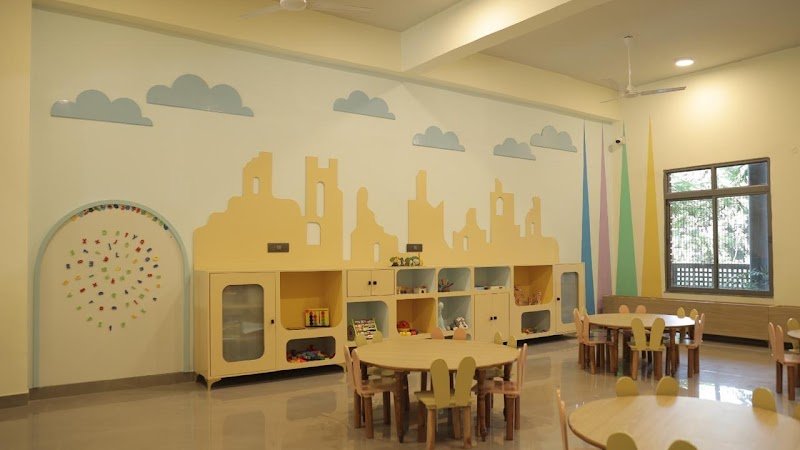
Rajbaha Rd, Sewak Colony, Patiala, Punjab 147001, India
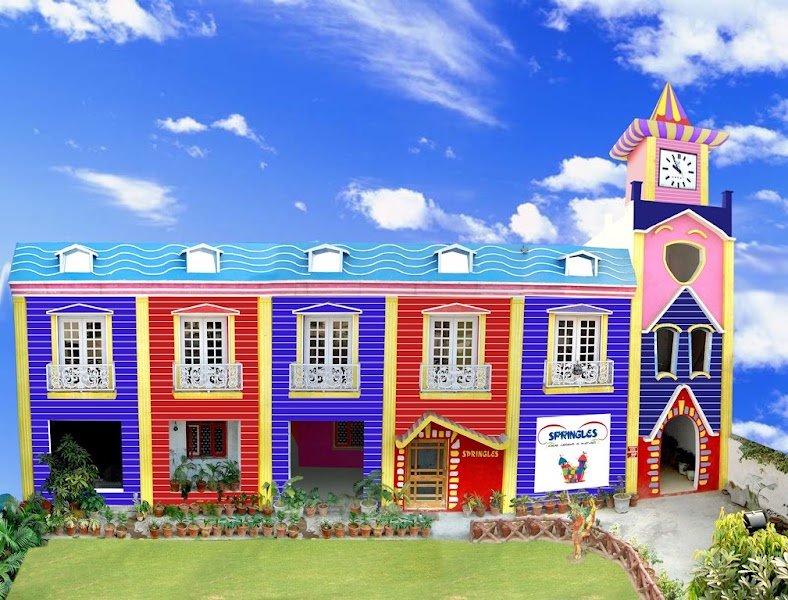
10A, Model Town, Patiala, Punjab 147001, India
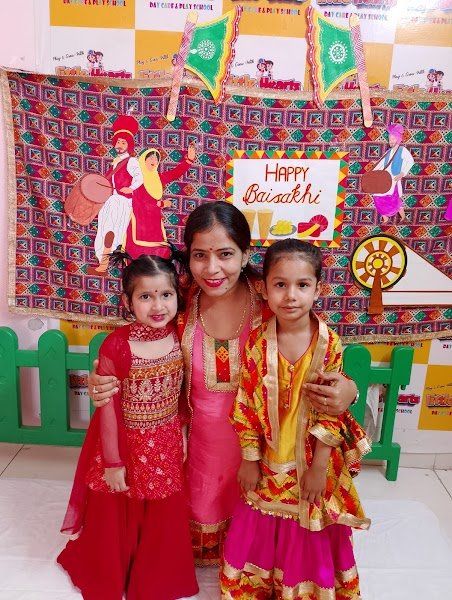
46, P, Lane, Bhan Colony, MaharajaYadvindra Enclave, Century Enclave, Majathia Enclave, Patiala, Punjab 147005, India
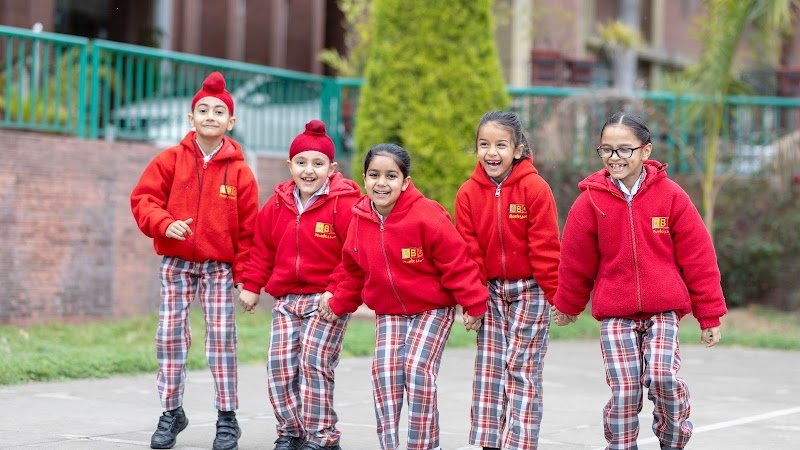
opp. Deer Park, near Sheesh Mahal, Sullar Colony, Patiala, Sular, Punjab 147007, India
Get Free Printable Worksheets Delivered to Your Inbox
Age-tailored activities (Alphabets, Math, Coloring) & 10-minute child meal ideas. Preview samples
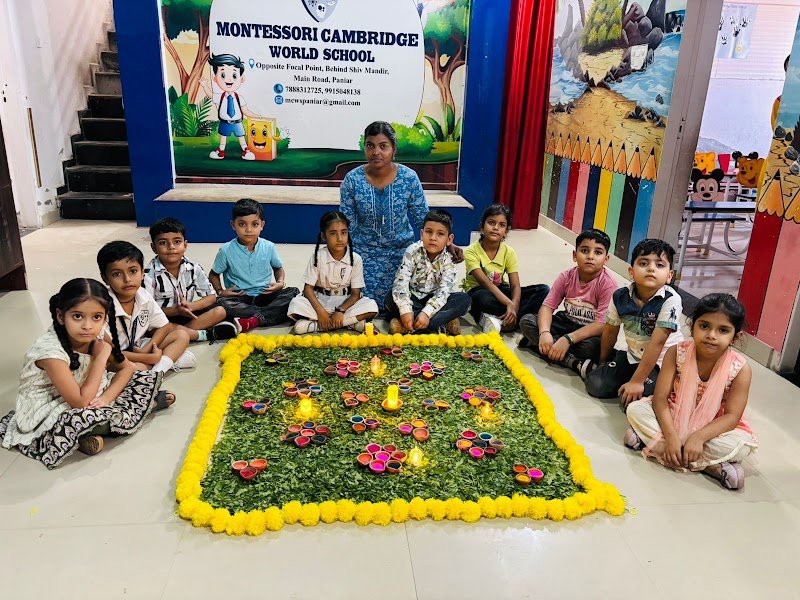
Main Rd, behind Shiv Mandir, Paniar, Punjab 143531, India
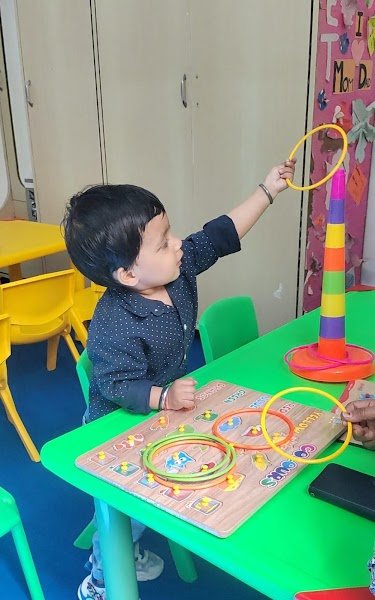
635-E, Sirhind Rd, Block E, Azad Nagar, Patiala, Punjab 147004, India
Nogawana Road, near Dera Baba bakhta Nath, Balbehra, Punjab 147101, India
106, Sirhind - Patiala Rd, Green Park Colony, Patiala, Punjab 147004, India
229 ,Bharpur Garden, 205, Bhadson Rd, opposite New Palace, Manjit Nagar, Moti Bagh, Patiala, Punjab 147001, India
Parent Guide: Best Preschools & Daycares in Sanaur
Parent Guide: Best Preschools & Daycares in Sanaur
Sanaur’s early‑learning landscape is steadily expanding, with 28 indexed preschools and daycares now serving families across the city. An average evaluation score of 88 / 100 reflects a solid baseline of quality, indicating that most centres meet the essential standards for curriculum, safety and staff competence. Parents looking for a reliable start for their children will find a range of options, yet the overall picture points to a community that values structured early education and consistent oversight.
Pre‑Primary Learning Frameworks in Sanaur
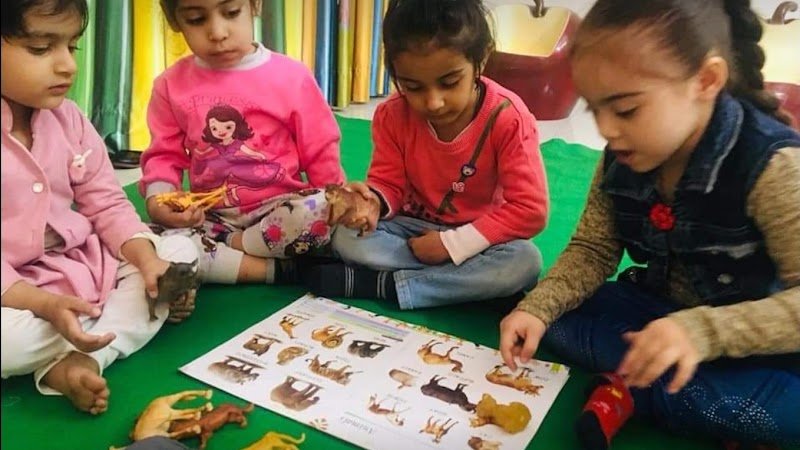
Montessori and Playway dominate the curriculum choices in Sanaur because they align with local expectations for hands‑on, child‑centered learning. Montessori’s emphasis on self‑directed activity, tactile materials and mixed‑age groups helps children develop independence and problem‑solving skills at a young age. Playway, on the other hand, blends structured play with basic literacy and numeracy concepts, making learning feel like a natural extension of everyday fun. Together, these approaches give parents confidence that their children will build foundational skills while staying engaged and motivated.
- Montessori benefits: encourages autonomy, fine‑motor development, and social interaction through collaborative tasks.
- Playway benefits: integrates movement, music and storytelling to reinforce early language and math concepts.
- Parent preference: both models provide clear progress tracking, which helps families stay informed about their child’s growth.
Neighborhood & Campus Infrastructure
Preschool locations are spread fairly evenly across Sanaur’s four main zones, ensuring that most families have a centre within a short commute.
- Central Zone: Hosts the highest concentration of centres, often featuring larger classrooms and more extensive outdoor play areas. Fees here range from moderate to premium, reflecting the higher demand.
- South Hub: Known for newer facilities that prioritize natural lighting and ventilation. Fee bands are generally mid‑range, making it a popular choice for working parents.
- East Zone: Offers several community‑run centres with affordable tuition. While the spaces may be smaller, they meet the same safety and curriculum standards as higher‑priced options.
- West Zone: Features a mix of private and cooperative preschools, many of which provide transport services. Fees vary widely, giving families flexibility based on budget.
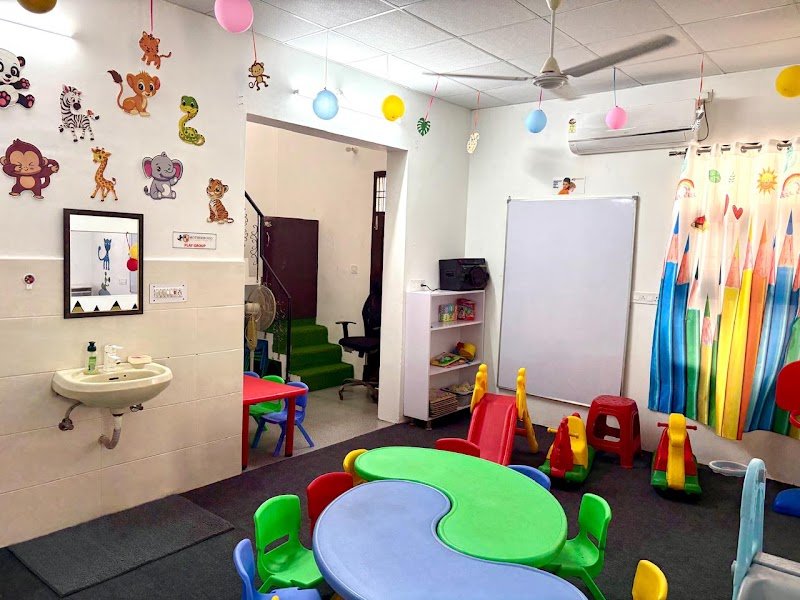
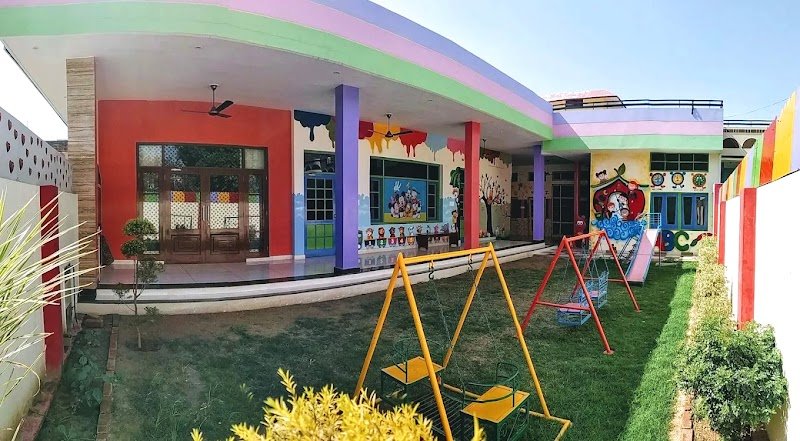
Across all zones, centres are expected to maintain clean, child‑friendly environments, with separate areas for indoor learning, arts‑craft, and outdoor play. Many locations have upgraded to eco‑friendly flooring and child‑sized furniture, which supports both comfort and safety.
Safety & Operational Verification
Every indexed centre in Sanaur undergoes a standardized evaluation that looks closely at security, staffing ratios and hygiene practices. Key checkpoints include:
- CCTV coverage: All entry points, play yards and classroom doors must be monitored, with footage stored for at least 30 days.
- Caregiver‑to‑child ratios: The minimum ratio is 1 : 5 for children aged 2‑3 and 1 : 8 for ages 4‑5, ensuring attentive supervision.
- Hygiene protocols: Daily cleaning schedules, hand‑washing stations at each classroom, and regular health inspections are mandatory.
- Emergency preparedness: Centres must display evacuation routes, conduct quarterly drills and keep first‑aid kits readily accessible.
Parents can request the latest evaluation report from any centre; these documents detail compliance scores and any corrective actions taken. By staying informed and visiting the facilities in person, families can verify that the centre they choose meets both the educational and safety expectations set by the city’s oversight board.