Finding the Right Preschool or Daycare in Shimla
Shimla has a growing network of 71 indexed preschools and daycare centers serving families across the city. These centers have earned an average evaluation score of 88 out of 100, reflecting solid operational standards in a market where structured early childhood options were limited a decade ago. For parents moving to the city or comparing options for their first child, this score offers a reasonable starting benchmark. It indicates that most facilities in Shimla meet baseline expectations for safety, teacher training, and child engagement, though individual quality varies from one neighborhood to the next. The two dominant curriculum choices are Montessori and Playway, both of which align well with the learning needs of children between 18 months and 6 years. Understanding how these frameworks differ, and how local campuses are set up, helps parents make a practical decision rather than a hurried one.
Pre-Primary Learning Frameworks in Shimla
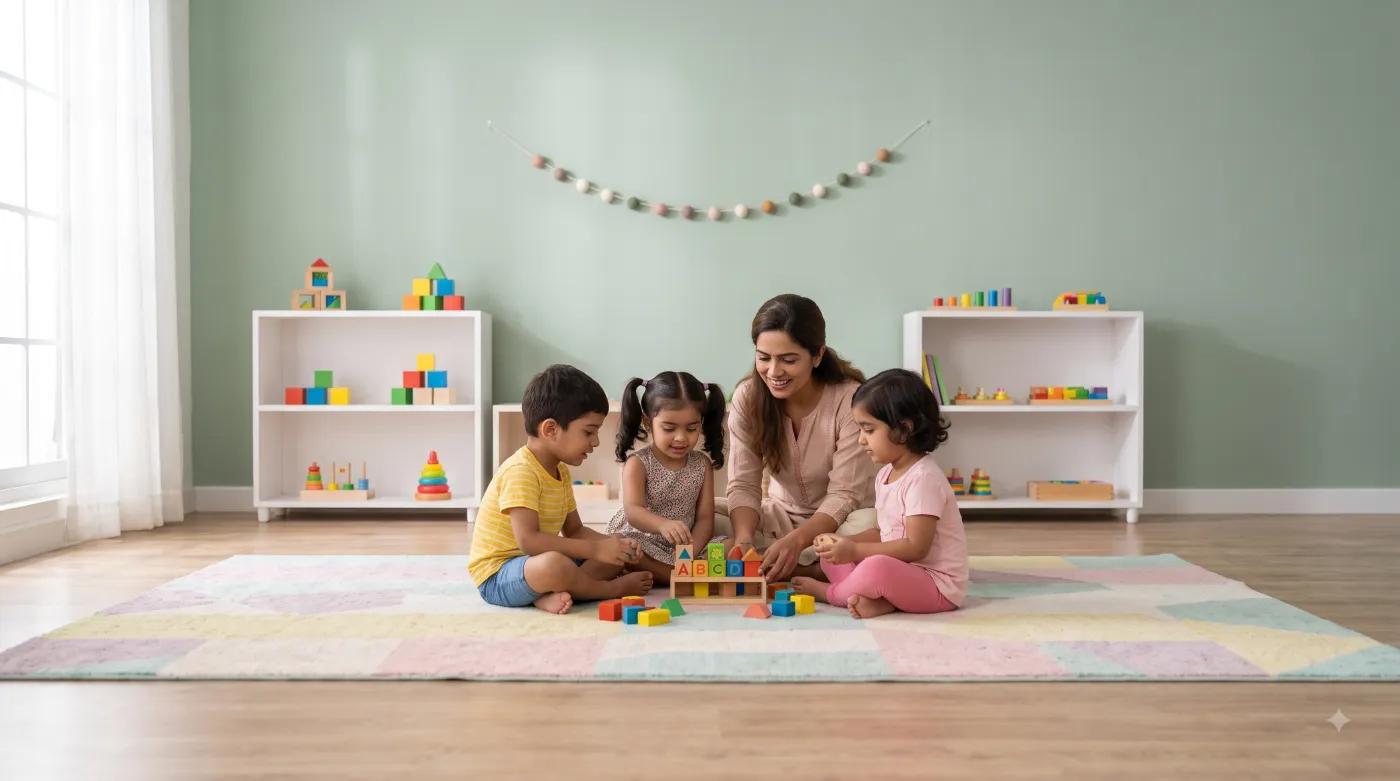
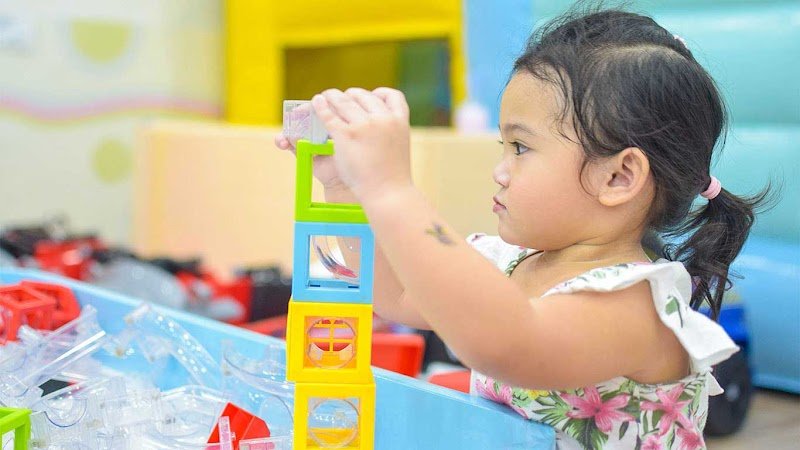
Montessori and Playway methods dominate Shimla's preschool landscape for straightforward reasons. Montessori education focuses on self-directed activity, hands-on learning materials, and mixed-age classrooms where children progress at their own pace. This approach suits families who want their child to develop independence, fine motor control, and concentration early. Playway, on the other hand, uses structured play, storytelling, music, and group activities to build social and language skills. Parents in Shimla often choose Playway for younger children, around 18 months to 3 years, because the format mirrors the active, curious behavior of toddlers. For children aged 3 to 6, Montessori is frequently preferred as it prepares them for the transition into formal primary schools in the region. Both frameworks place less pressure on rote learning compared to traditional nursery methods, which matters in a hill city where many parents are first-generation urban professionals still adjusting to structured schooling themselves.
Neighborhood and Campus Infrastructure
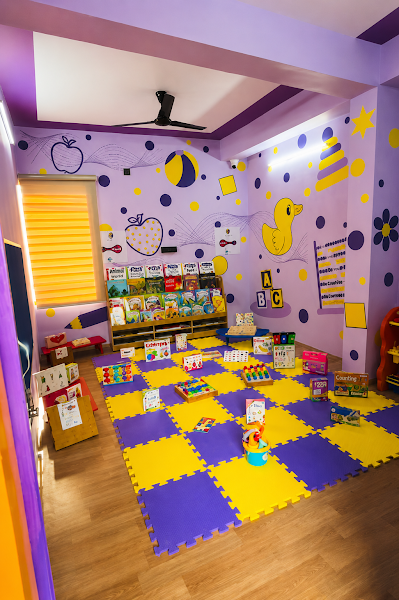
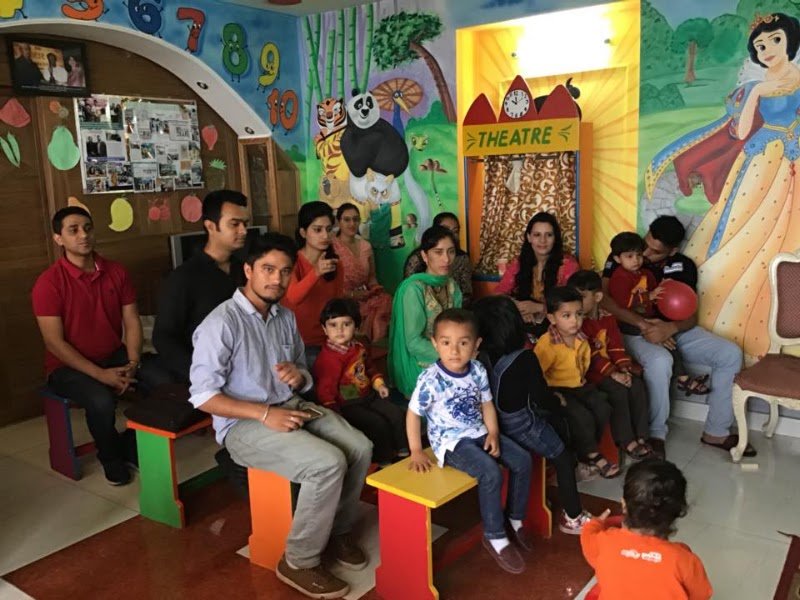
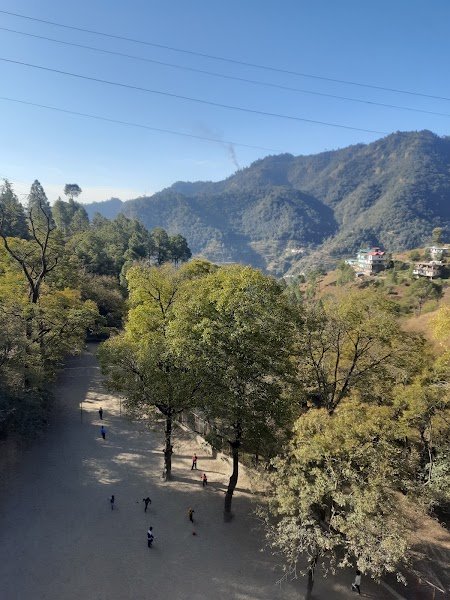
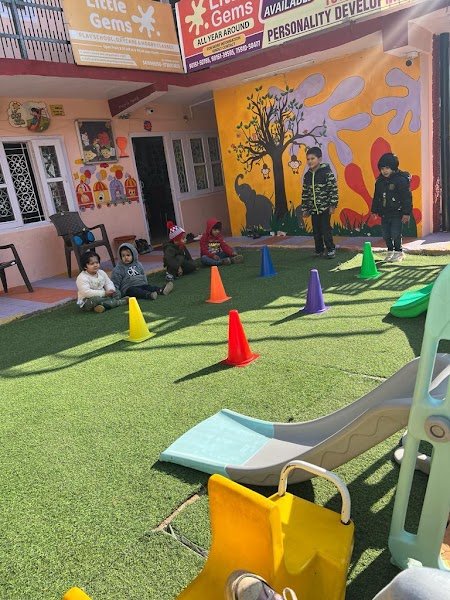
Preschools in Shimla are spread across four main zones, each with its own character. The West Zone, which includes areas near the main Ridge and Mall Road vicinity, tends to have higher fee bands, often ranging from Rs 3,000 to Rs 6,000 per month, with smaller campus sizes but better-maintained facilities. Central Zone, covering Sanjauli and nearby areas, has the densest concentration of centers and offers mid-range fees, typically Rs 2,000 to Rs 4,500. North Hub, including Mashobra and the upper stretches, has fewer but newer campuses with outdoor play areas that take advantage of the open hill landscape. East Zone, covering areas like Dhalli and beyond, remains the most affordable, with fees starting around Rs 1,500, though facility standards vary more widely here. Across all zones, the better centers offer heated indoor spaces, age-appropriate furniture, and outdoor play zones, which are particularly important given Shimla's cold winters. Parents should visit campuses in person to check how space is used and whether safety features match the school's claims.
Safety and Operational Verification
Shimla's preschool evaluation process looks at three core safety areas before assigning scores. CCTV coverage in classrooms and entry points is verified, as parent access to live or recorded footage is now considered standard. Caregiver ratios are checked against age-appropriate norms, ideally 1:8 for toddlers and 1:12 for older preschoolers, though some centers stretch this during peak hours. Hygiene standards include washroom cleanliness, food preparation areas, and daily sanitization routines, which became more visible priorities after the pandemic. Centers scoring 88 or above generally maintain consistent staffing and visible safety protocols, while lower-scoring facilities often struggle with documentation and consistency. Before enrolling, parents should ask for the evaluation report, visit during operating hours, and observe how staff interact with children during routine activities like meals and nap transitions.