
House No - 332, Ward No-1, Bishunpur Rd, opposite of Aryabhatta Packers, behind telaiya clinic, DVC Colony, Jhumri Telaiya, Jharkhand 825409, India
FH8R+G68, Sahana Road, Koderma, Jharkhand 825410, India

CH School Rd, near Purnima Talkies, Jhumri Telaiya, Jharkhand 825409, India
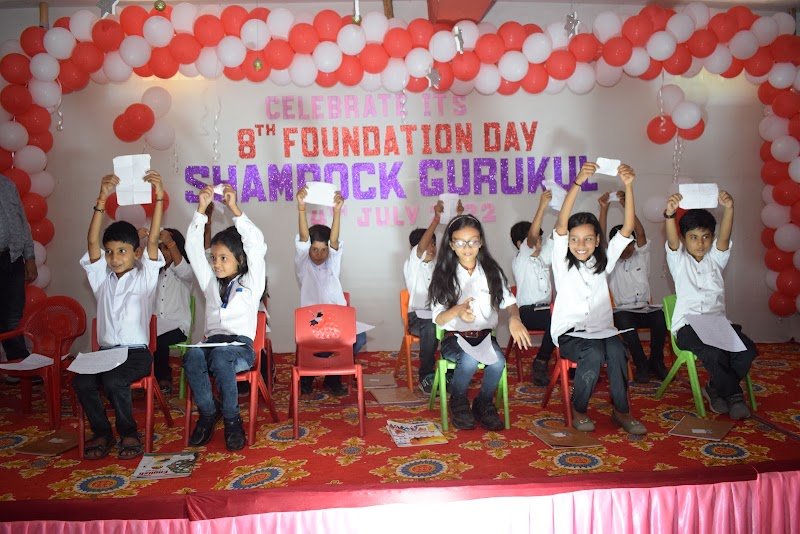
Gandhi School Road Ward No.24 Near Shani Mandir, Adarsh Nagar, Jhumri Telaiya, Jharkhand 825409, India
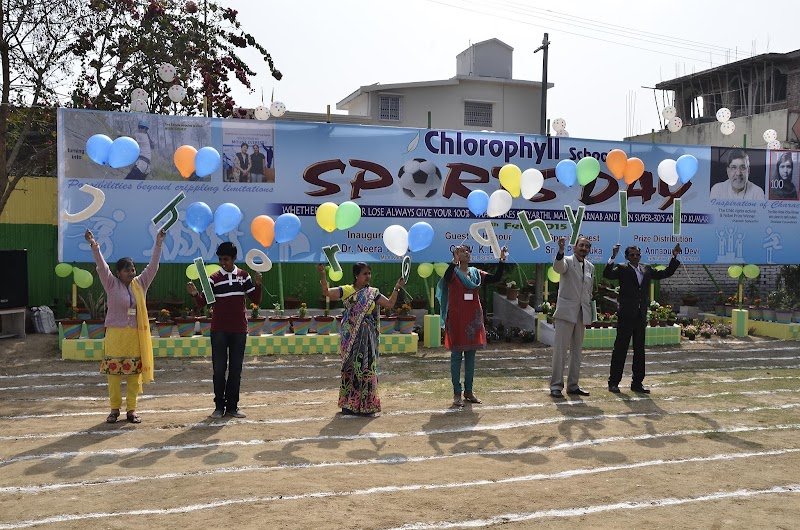
Maharana Pratap Chowk, Sankat Mochan Mandir Campus, Jhumri Telaiya, Jharkhand 825409, India
Get Free Printable Worksheets Delivered to Your Inbox
Age-tailored activities (Alphabets, Math, Coloring) & 10-minute child meal ideas. Preview samples
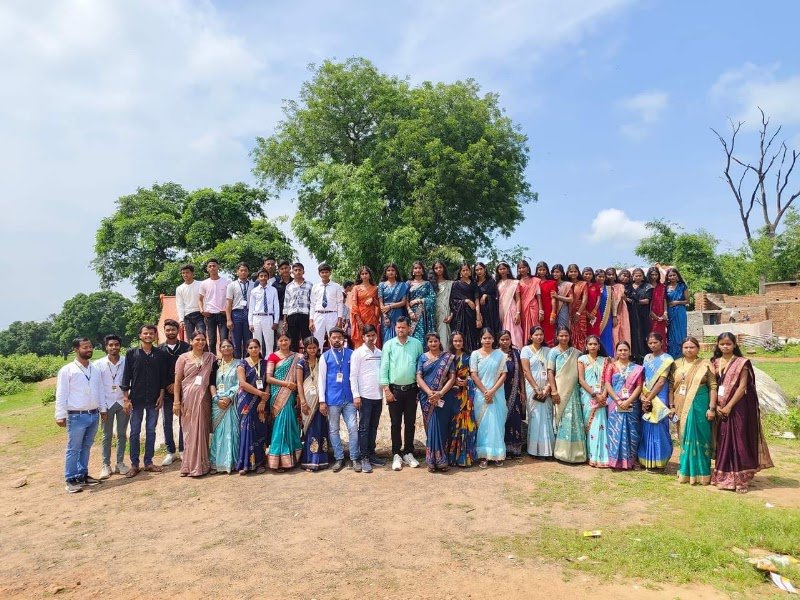
Koderma - Jainagar Rd, Lariyadih, Koderma, Jharkhand 825410, India
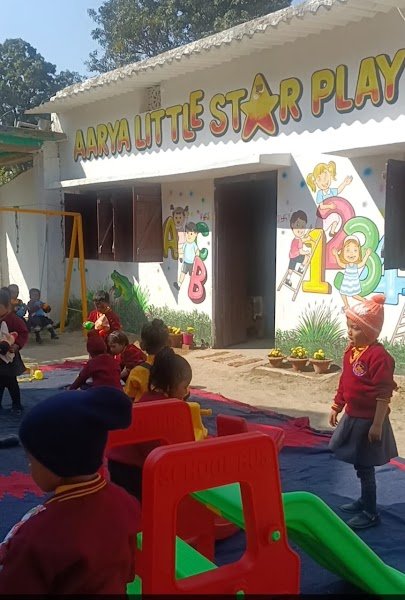
Chowk, Kharsidag, Jharkhand 834010, India
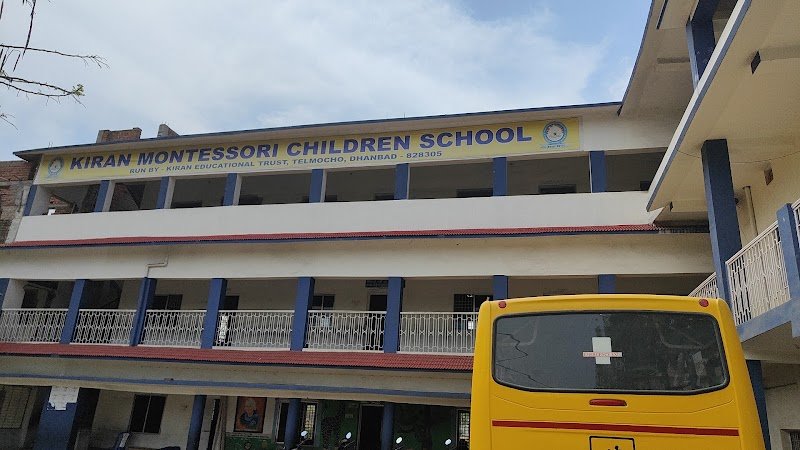
P6Q5+28G, Talmuchu, Jharkhand 828305, India
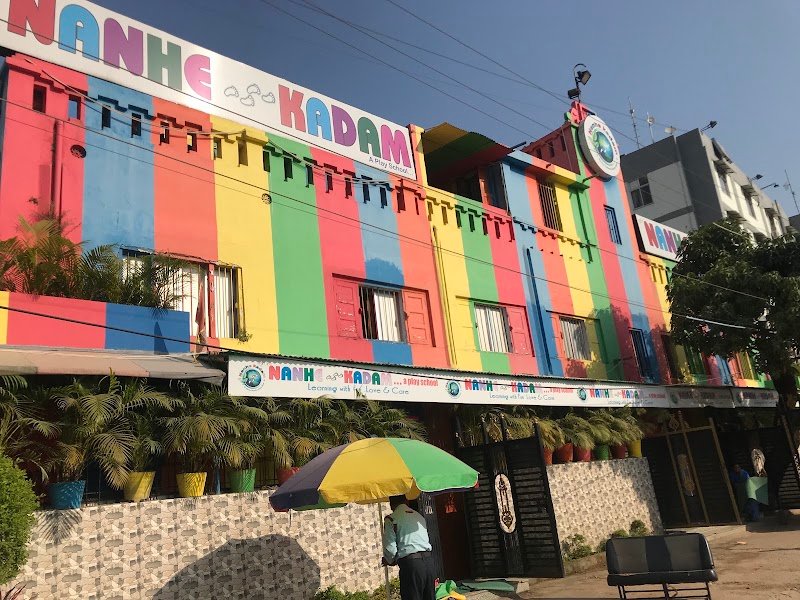
Line Tank Rd, behind Albert Ekka Chowk, Deputy Para, Ahirtoli, Ranchi, Jharkhand 834001, India
Parent Guide: Best Preschools & Daycares in Kodarma
Parent Guide: Best Preschools & Daycares in Kodarma
Kodarma, a growing city in Jharkhand, now hosts 17 indexed preschools and daycares. An average evaluation score of 88 / 100 shows that most centers meet solid quality standards. Parents looking for early‑learning options can expect a mix of well‑trained staff, decent facilities, and a focus on child‑centered activities. Below is a practical guide to help families compare what’s available and choose the right fit for their little ones.
Pre‑Primary Learning Frameworks in Kodarma
Two approaches dominate the local scene: Montessori and Playway. Both methods appeal to parents who want more than rote learning.
- Montessori encourages independence through hands‑on materials. Children choose tasks, develop fine‑motor skills, and learn at their own pace. In Kodarma, many centers have certified Montessori teachers who set up prepared environments that match the city’s cultural context.
- Playway blends structured play with early literacy and numeracy concepts. It is especially popular in neighborhoods where families value a balance of academic readiness and social interaction. Playway classrooms often feature activity stations, storytelling corners, and outdoor play zones that keep children engaged while building language and problem‑solving abilities.
Both frameworks share common benefits: they promote confidence, curiosity, and social skills—key foundations for later schooling. Parents can decide based on whether they prefer a more self‑directed (Montessori) or a play‑rich (Playway) environment.
Neighborhood & Campus Infrastructure
Preschool locations cluster in three main areas: North Hub, East Zone, and West Zone. This spread makes it easier for families to find a center close to home or work.
- North Hub – Home to 6 centers, many of which offer tiered fee bands ranging from INR 4,500 to INR 9,000 per month. Facilities typically include air‑conditioned classrooms, a small library, and a secure drop‑off zone.
- East Zone – Contains 5 centers, often positioned near residential complexes. Fees here average INR 5,000 to INR 8,500. Most campuses provide a covered play area, child‑size furniture, and a parent‑waiting lounge.
- West Zone – Hosts the remaining 6 centers, with a mix of budget‑friendly and premium options. Fee structures vary from INR 4,000 to INR 10,000. Many West Zone sites have upgraded sanitation facilities, such as separate hand‑washing stations for children.
Across all neighborhoods, centers are expected to meet basic infrastructure standards: safe flooring, adequate lighting, and age‑appropriate classroom sizes (approximately 15 sq ft per child). Parents should tour the premises to verify that the environment feels welcoming and well‑maintained.
Safety & Operational Verification
Safety checks form a core part of the evaluation process that produced the 88/100 average score. Here’s what parents can look for:
- CCTV coverage – All indexed centers must have continuous video monitoring in entry points, classrooms, and play areas. Ask to see a live feed or request a copy of the surveillance policy.
- Caregiver‑to‑child ratios – The recommended ratio is 1 adult for every 6 children in the 2‑3 year group and 1 adult for every 8 children in the 3‑5 year group. Centers that publish their ratios on the wall or website demonstrate transparency.
- Hygiene standards – Daily cleaning logs, regular sanitization of toys, and hand‑washing routines are mandatory. Look for visible cleaning schedules and ask staff how they handle illness outbreaks.
- Emergency preparedness – Centers should have clearly marked exits, fire extinguishers, and conduct monthly drills. A brief walkthrough of these procedures can reassure parents about the center’s readiness.
When a preschool meets these safety benchmarks, families can feel confident that their child’s well‑being is a top priority. Combining this assurance with the right learning framework and convenient location will help parents make a well‑rounded decision for their child’s early years in Kodarma.