Adimali, a growing town in Kerala’s Idukki district, now hosts 22 indexed preschools and day‑care centers. An average evaluation score of 88 / 100 indicates that most facilities meet a solid standard of quality, from curriculum delivery to safety practices. Parents looking for early‑learning options will find a mix of well‑established centers and newer providers, all competing to offer a supportive environment for children aged two to five.
Pre‑Primary Learning Frameworks in Adimali
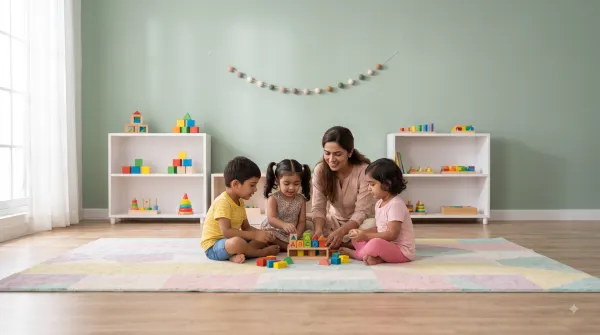
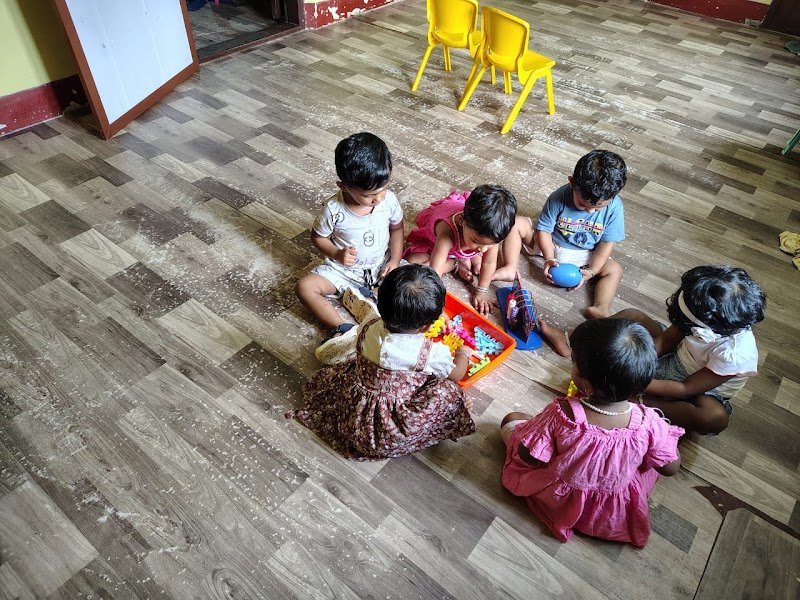
Montessori and Playway dominate the local early‑education scene. Both approaches emphasize hands‑on activity, respect for a child’s natural development, and a prepared environment that encourages independence.
- Montessori: Parents appreciate the structured yet flexible classroom layout, which lets children choose tasks that match their interests and skill level. The method’s focus on practical life skills—such as pouring, buttoning, and basic math—helps build confidence early on.
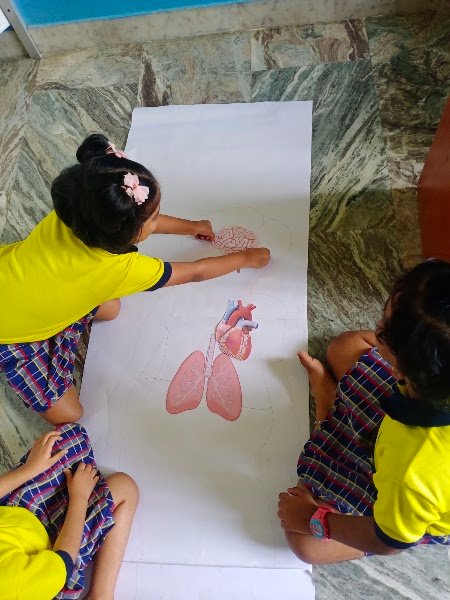
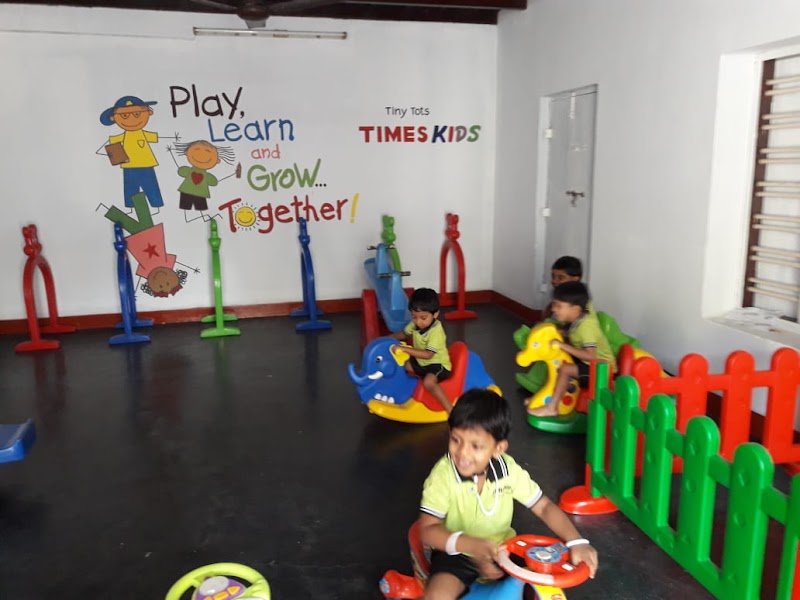
- Playway: This curriculum blends play‑based learning with clear learning outcomes. It is popular for its vibrant, activity‑rich settings that support social interaction, language growth, and motor development through guided play.
Local families often select one of these frameworks because they align with the community’s value on nurturing curiosity and self‑reliance. Teachers in Adimali are trained to adapt lessons to the cultural context, using familiar stories and local materials that make learning feel relevant to everyday life.
Neighborhood & Campus Infrastructure
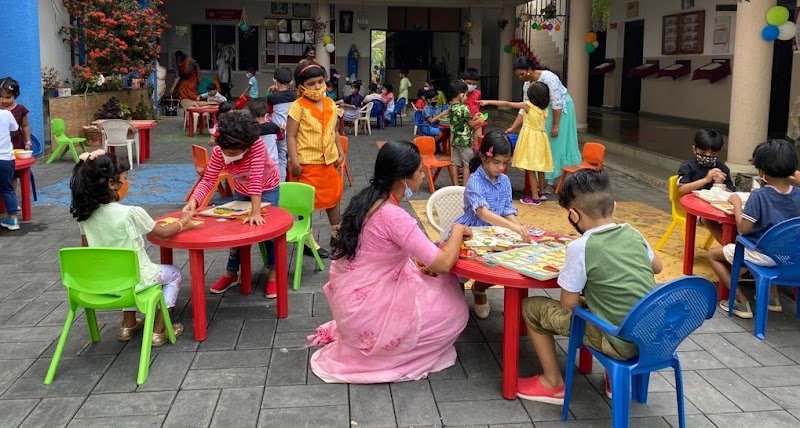
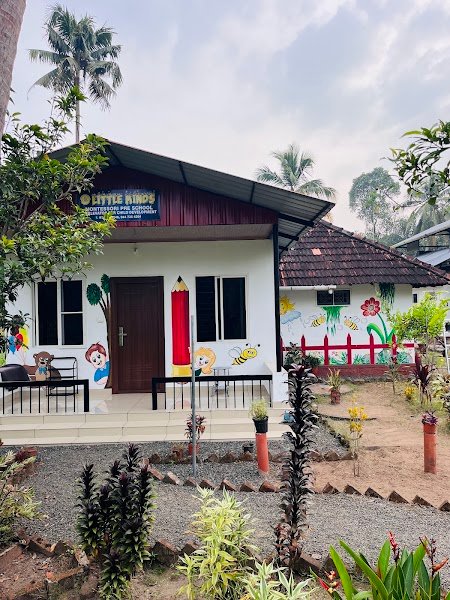
Preschool locations are spread across the two main neighborhoods of Adimali: Irumbu Palam and Kunchithanny. Irumbu Palam, closer to the town centre, hosts eight centers that tend to have higher enrollment due to easy access to public transport. Kunchithanny, a quieter residential area, contains fourteen centers, many of which occupy larger plots that allow for outdoor play zones.
Fee structures vary, reflecting differences in facility size, curriculum focus, and additional services such as meals or transport. Typical monthly fees fall into three bands:
- Budget tier: ₹4,000 – ₹6,000 – basic classroom setup, limited extracurriculars.
- Mid tier: ₹6,500 – ₹9,000 – enhanced learning materials, occasional field trips, basic nutrition plan.
- Premium tier: ₹9,500 – ₹13,000 – spacious campuses, full‑day programs, comprehensive health monitoring, and regular parent workshops.
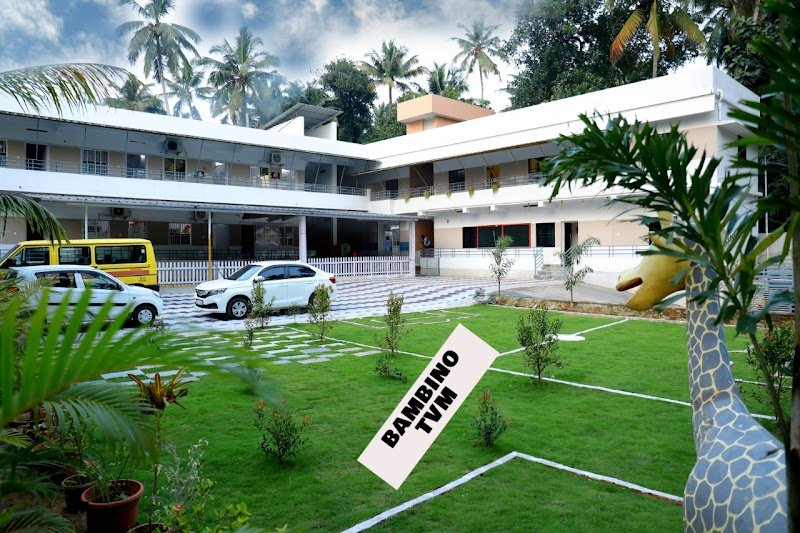
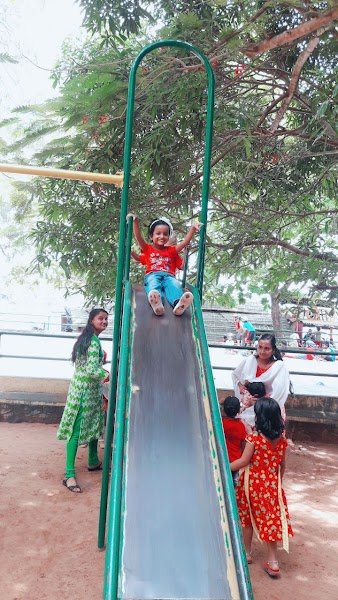
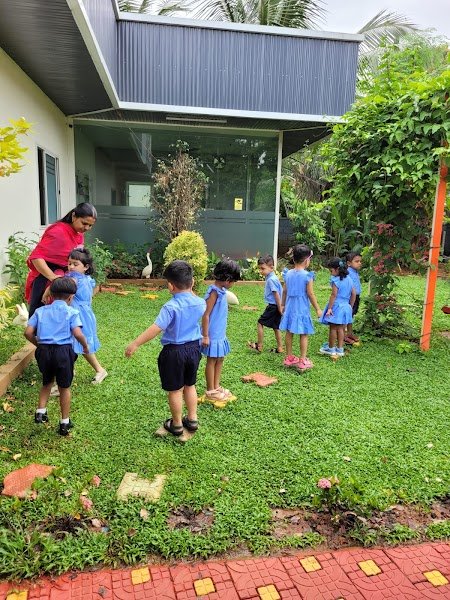
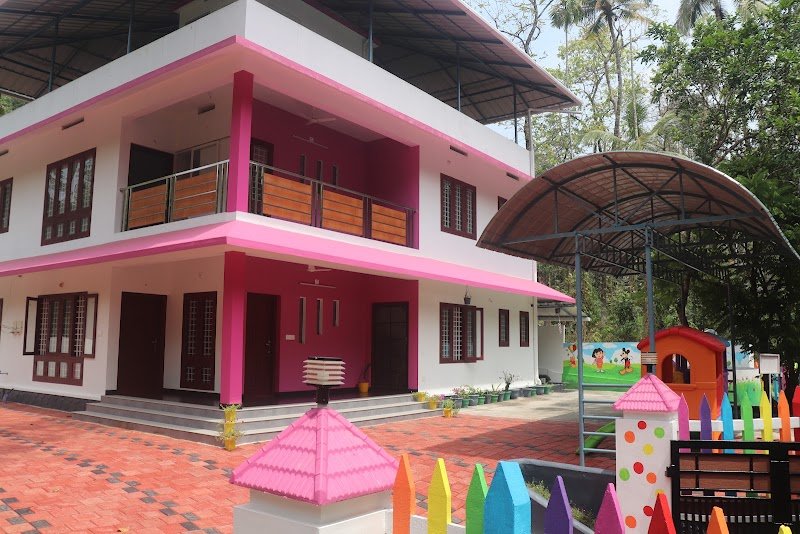
All centers are required to meet a minimum set of infrastructure standards: safe stairways, child‑sized furniture, well‑ventilated rooms, and a dedicated outdoor area with age‑appropriate equipment. Many newer facilities in Kunchithanny have added shaded play zones and small gardens, allowing children to explore nature safely.
Safety & Operational Verification
Safety checks are a core part of the evaluation process that produced the 88 / 100 average score. Inspectors focus on three main areas:
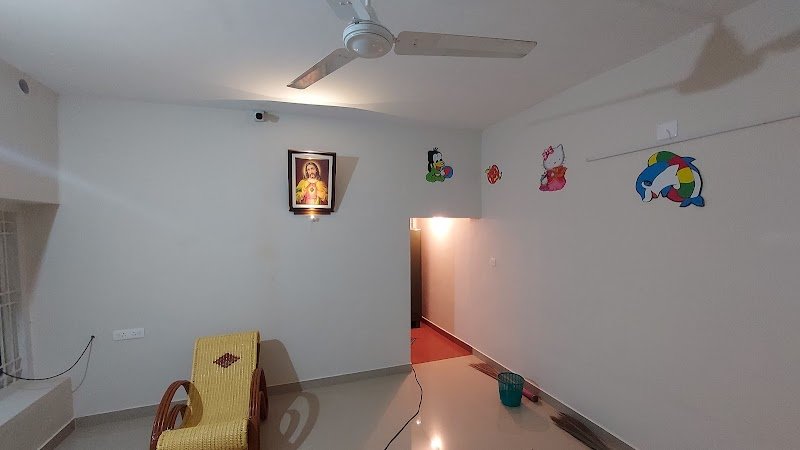
- CCTV coverage: Every classroom, entry point, and outdoor play area must be under continuous video monitoring, with recordings stored for at least 30 days.
- Caregiver‑to‑child ratios: The mandated ratio is 1 : 5 for children aged two to three, and 1 : 8 for ages three to five. Centers that consistently meet or exceed these ratios receive higher operational marks.
- Hygiene standards: Daily cleaning logs, hand‑washing stations at each classroom, and regular health screenings for staff are required. Centers must also have a clear protocol for managing illnesses, including isolation rooms and parent notification procedures.
Parents can request a copy of a center’s latest inspection report, which details compliance with these criteria. Many providers also display their safety certificates at the reception desk, offering an extra layer of reassurance.