KidsnMore
Login
Verified Centers • 100-Point Safety Audited

Best Preschools in Marunji

Compare verified preschools, play schools, and daycares in Marunji. NEP Cutoff: June 1st • Academic Session 2026–27.

Verified

2 Centers

Sponsored Preschool Showcase
SPONSORED SPACE
Be Shown. Be Known. Advertise With Us
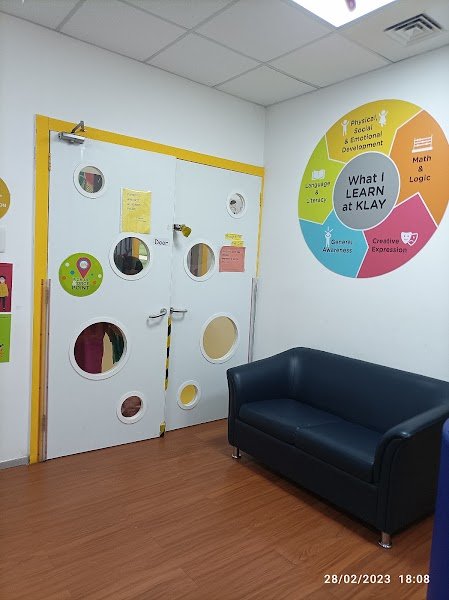
Klay Hinjewadi
hinjewadi phase ii, Marunji
Ages 1.5–6 Yrs

Embassy Tech Zone, Rio Grande Block, Flo Food Court-Opp Dominos, Hinjewadi Rajiv Gandhi Infotech Park, Hinjawadi Phase II, Hinjawadi Rajiv Gandhi Infotech Park, Hinjawadi, Hinjewadi Phase II, Marunji, Maharashtra 411057, India

CP
tathawade, Marunji
Ages 1.5–6 Yrs

Before, Vedh Valley School, Akemi Business School Rd, near Courtyard One, near Upcoming Word trade centre, Tathawade, Marunji, Maharashtra 411057, India

Maharashtra Education Policy

NEP 2026 Admission Age Cutoff for Marunji

As per NEP 2020 and state education guidelines in Maharashtra, children must complete the required age before the academic cutoff date to be eligible for admission.

Nursery: 3+ years
•
LKG: 4+ years
•
Cutoff Date: June 1st

What Marunji Parents Say

★★★★★

"Impressed with 9.5 evaluation score and safety verification"

— Nalini Iyer, Nagpur, Maharashtra
★★★★★

"KidsNMore helped me discover a great preschool in my neighborhood with excellent reviews"

— Sujata Patil, Pune, Maharashtra
★★★★★

"Impressed with the safety verification process at this preschool"

— Aishwarya Deshpande, Pune, Maharashtra
Read Marunji Early Education & Admissions Guide (2 min read) ↓

Introductory Overview of Marunji Early Education

Finding the right early childhood provider in Marunji, Maharashtra, requires looking past generic marketing promises and focusing on verified local data. The local landscape is compact but high-quality, currently indexing exactly two dedicated centers. These facilities have secured an average evaluation score of 88/100, a metric that reflects strong adherence to educational standards and operational hygiene. For parents in this region, the choice is not about overwhelming volume but about selecting a facility that consistently meets rigorous benchmarks. The high average score indicates that the available options in Marunji are well-maintained, staffed by qualified educators, and structurally sound, providing a reliable foundation for your child’s developmental years without the confusion of sifting through dozens of unverified listings.

Pre-Primary Learning Frameworks in Marunji

The dominant pedagogical approaches in Marunji are Montessori and Playway, and their popularity is rooted in distinct developmental benefits that align with local parental priorities. Montessori centers here typically emphasize independence and self-directed learning. Children work with specialized materials designed to refine fine motor skills and cognitive focus. This method is particularly effective for children who thrive in structured, quiet environments where they can progress at their own pace. Conversely, Playway programs focus on well-rounded development through a structured play-based curriculum. This approach integrates physical activity, social interaction, and early literacy in a more dynamic setting. It suits children who are energetic and learn best through engagement and group activities. Both frameworks are well-suited for the pre-primary stage, and the local centers in Marunji have adapted these curricula to ensure they remain accessible and engaging for young learners.

Neighborhood & Campus Infrastructure

Geographically, these two centers are strategically distributed across key residential pockets, specifically Hinjewadi Phase II and Tathawade. This placement ensures that families in these major neighborhoods have convenient access without crossing long commute distances. Hinjewadi Phase II, being a relatively newer expansion area, features facilities that often include modern building codes and dedicated play spaces. Tathawade, with its established residential density, offers centers that are deeply integrated into the community fabric, often benefiting from long-standing trust and established routines. Regarding fee bands, the market in Marunji remains competitive. Parents can expect mid-range pricing that reflects the quality of the 88/100 average score. The infrastructure standards generally include spacious classrooms, safe outdoor play areas, and adequate ventilation. Because the number of indexed centers is small, each facility has strong incentives to maintain high physical standards to retain enrollment, resulting in well-kept campuses that prioritize child safety and comfort.

Safety & Operational Verification

The 88/100 evaluation score is not arbitrary; it is derived from strict checks on safety and operational integrity. A primary component of this scoring is CCTV security. Centers in Marunji are evaluated on the coverage and clarity of their surveillance systems, ensuring that entry points, play areas, and classrooms are monitored to prevent unauthorized access and to provide parents with peace of mind. Caregiver ratios are another critical metric. The evaluation process verifies that staff-to-child ratios meet or exceed state regulations, ensuring that every child receives adequate individual attention and supervision. Also,, hygiene standards are rigorously audited. This includes the cleanliness of restrooms, the sanitization of toys, and the quality of food handling practices if meals are provided. These verification steps ensure that the high average score reflects a genuine commitment to a safe, clean, and

Preschool Admission FAQs

When do preschool and daycare admissions open in Marunji? ↓

Preschool admissions in Marunji typically open between October and December for early-bird campus tours and registrations, with formal seat confirmations wrapping up by February–March for the upcoming academic session.

What is the minimum age for nursery admission in Marunji, Maharashtra? ↓

Under the NEP 2020 foundational guidelines in Maharashtra, children must typically turn 3 years of age on or before June 1st of the admission year to enroll in Nursery, and 4 years for LKG / Junior KG.

What is the typical preschool and daycare fee range in Marunji? ↓

Fees in Marunji vary based on facilities and curriculum. Standalone neighborhood playways average ₹35,000–₹65,000 annually, established national chains range from ₹65,000–₹1,20,000, and premium international Montessori or Reggio Emilia centers range from ₹1,20,000–₹2,50,000+ per year.

Which areas in Marunji have the highest concentration of top-rated preschools? ↓

Top educational clusters with verified centers in Marunji include Hinjewadi Phase II, Tathawade. Most centers offer school van transport or are located close to residential and corporate corridors.

How do I book a campus tour or verify a preschool in Marunji on KidsnMore? ↓

You can browse verified centers on KidsnMore, inspect their safety standards, student-to-teacher ratios, and click 'Enquire on WhatsApp' or 'Schedule Tour' directly from each school profile.

Director Dashboard

Do You Operate a Preschool or Daycare in Marunji?

Claim your official verified badge, manage your admissions desk, and receive direct parent enquiries without commission cuts.

Claim Your Profile Free
Explore All 2 Marunji Neighborhoods & Zones
↓ View All (A–Z)

Parent Early Learning Toolkit

NEP 2020 Admission Age Calculator, Tour Checklist & Readiness Quiz

Under the National Education Policy (NEP 2020) and state board circulars, preschool admission age cutoffs vary by state. Enter your child's birth date to calculate exact class eligibility:

Parent Campus Tour Evaluation Checklist

Visiting preschools in your neighborhood? Use our free 10-point evaluation checklist covering CCTV access, caregiver ratios, CPR pediatric readiness, and fee transparency.

Select your child's current milestones to receive an instant, tailored preschool transition assessment:

1. Separation: Can your child stay happily with relatives/caregivers without distress?
2. Communication: Can your child express basic needs (water, hunger, washroom)?
3. Feeding: Does your child show interest in finger foods or eating with a spoon?
4. Peer Socialization: Does your child enjoy parallel play or watching other kids at parks?