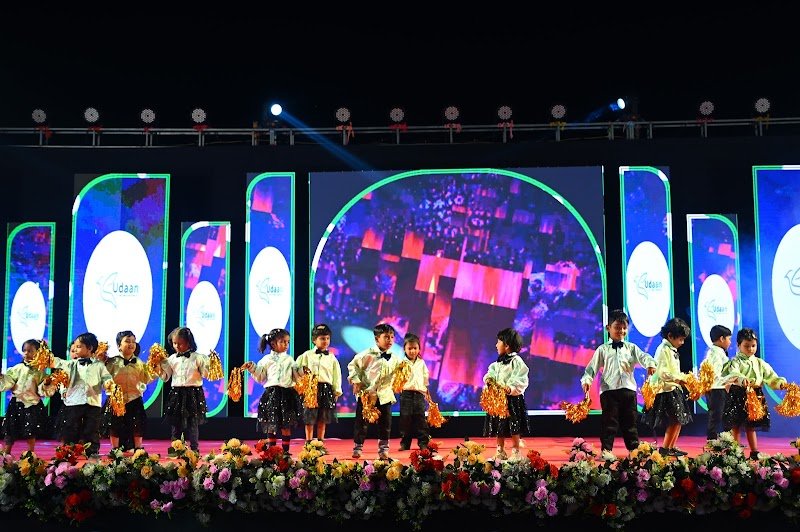
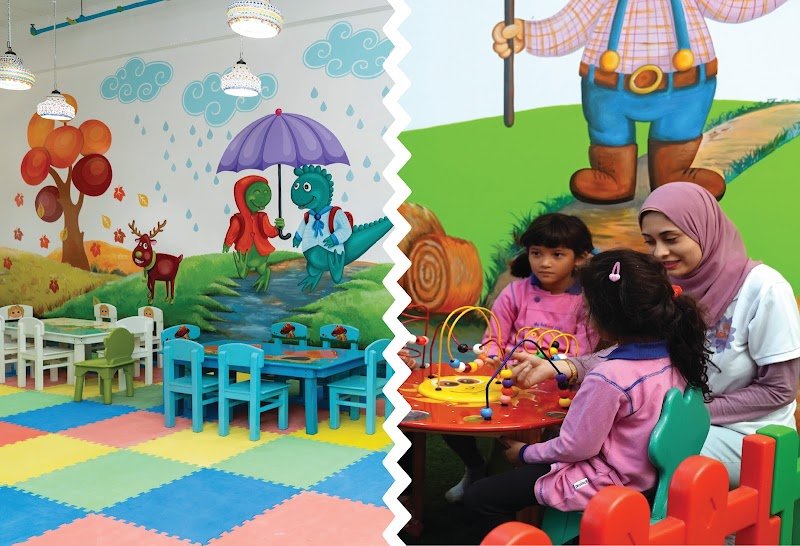
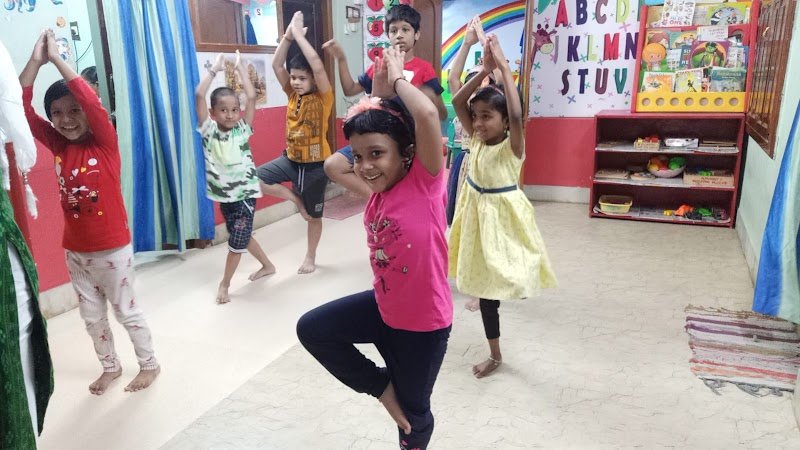
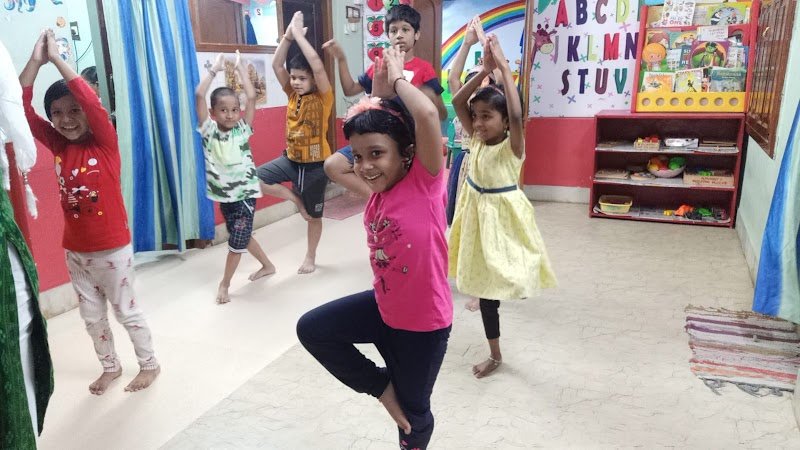
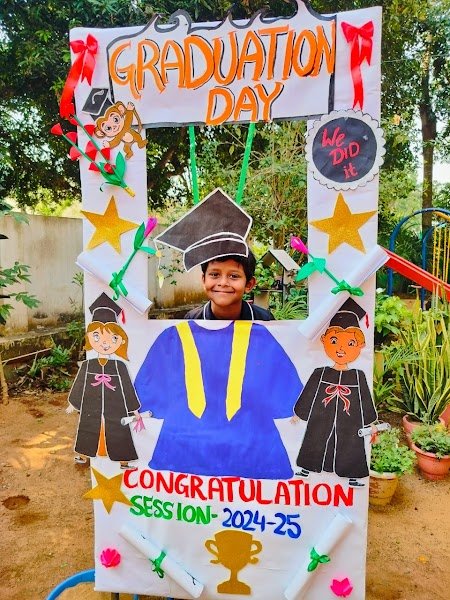
Berhampur’s early‑education scene is growing steadily, with 19 indexed preschools and daycares now serving families across the city. An average evaluation score of 88 / 100 shows that most centers meet solid standards for curriculum, safety, and overall quality. Parents can feel confident that the options available are generally well‑run, though a closer look at each school’s strengths helps you match the right environment to your child’s needs.
Pre‑Primary Learning Frameworks in Berhampur
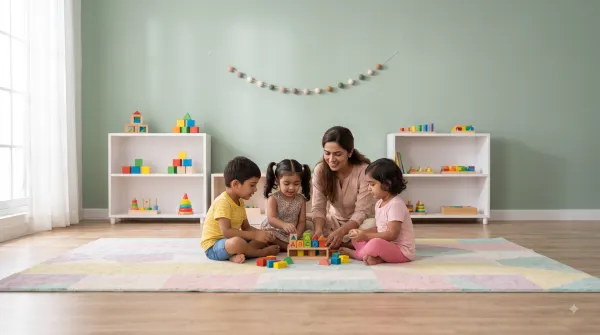
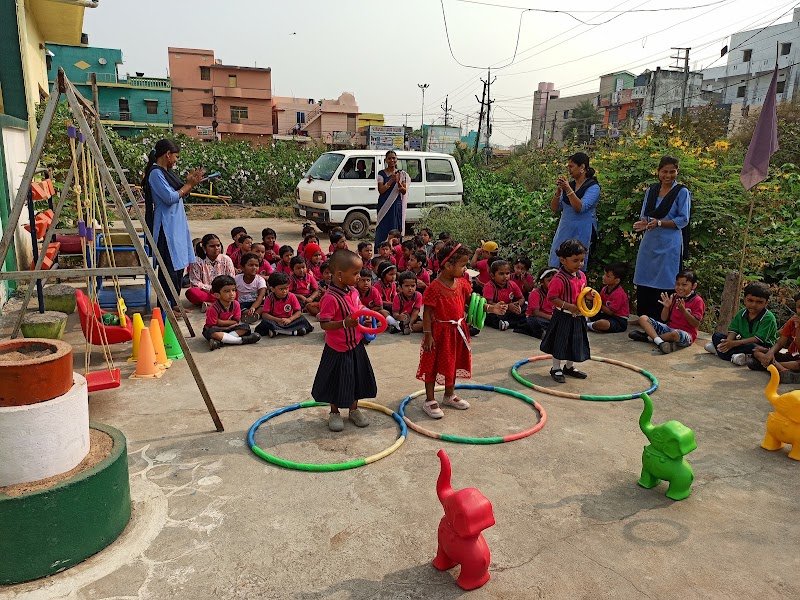
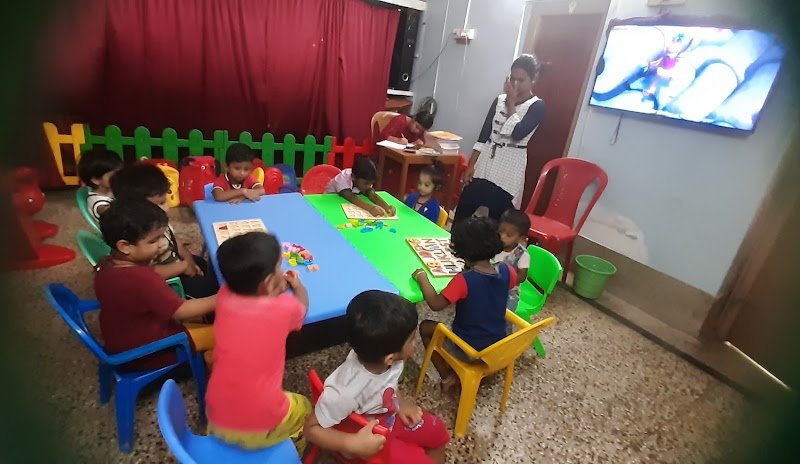
Montessori and Playway dominate the local market because they address the way young children explore the world. Montessori classrooms emphasize self‑directed activity, hands‑on learning tools, and mixed‑age groups, allowing kids to develop concentration and independence at their own pace. Playway, on the other hand, blends structured play with basic literacy and numeracy concepts, making learning feel like a natural extension of daily fun.
Both approaches share a focus on:
- Developing fine motor skills through manipulatives and creative projects.
- Encouraging social interaction in small, supervised groups.
- Building early problem‑solving abilities without heavy reliance on worksheets.
Parents in Berhampur often choose these curricula because they align with the city’s cultural emphasis on community and hands‑on craftsmanship, while also preparing children for the more formal schooling that follows.
Neighborhood & Campus Infrastructure
Preschool locations cluster around three main neighborhoods:
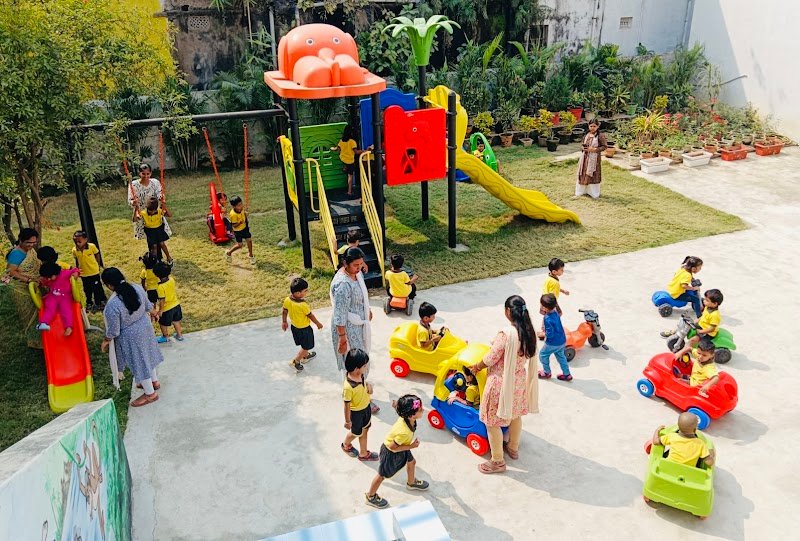
- Central Zone – The busiest area, home to 8 centers. Facilities here tend to be larger, with multi‑room layouts and playgrounds that double as community spaces.
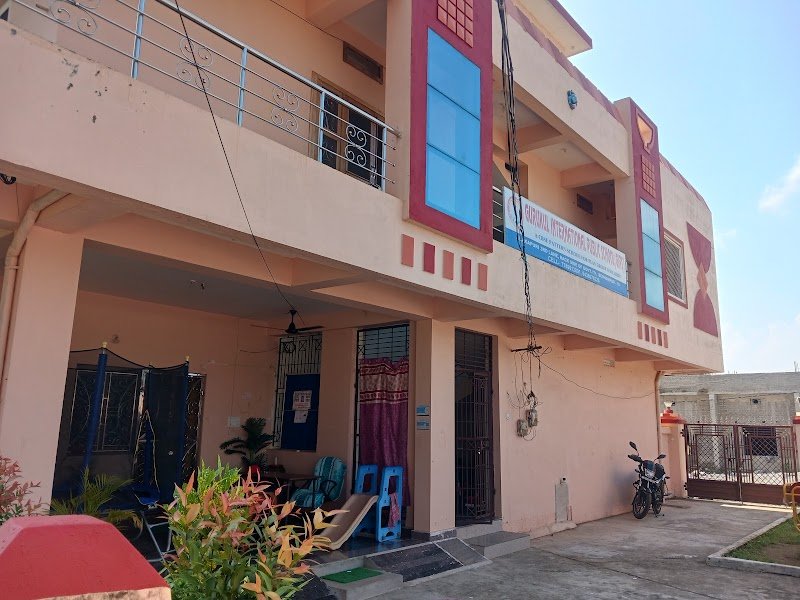
- North Hub – Contains 6 centers, many of which operate out of renovated homes or small commercial units. Fees are often modest, making this a popular choice for families seeking value.
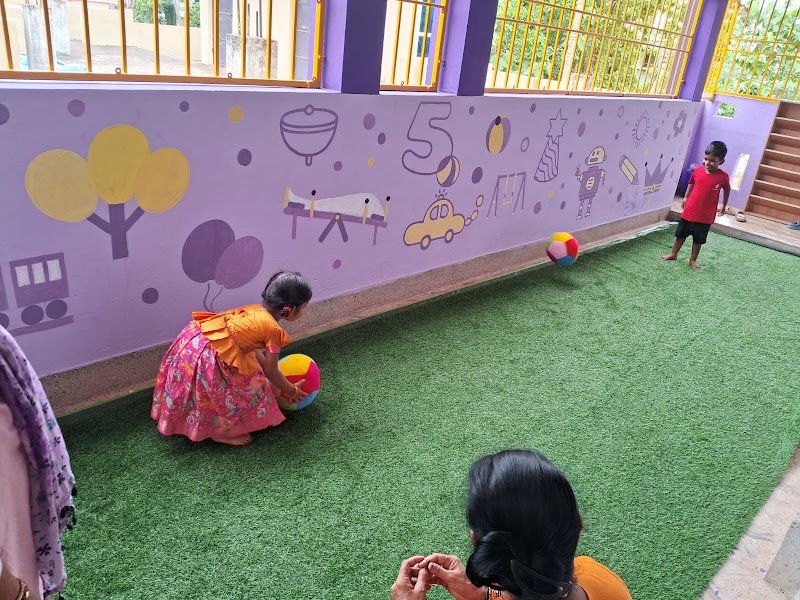
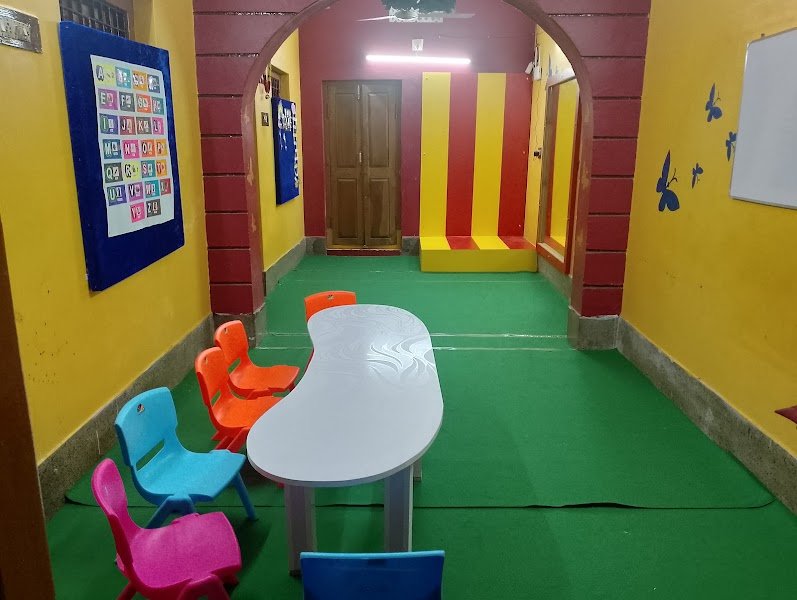
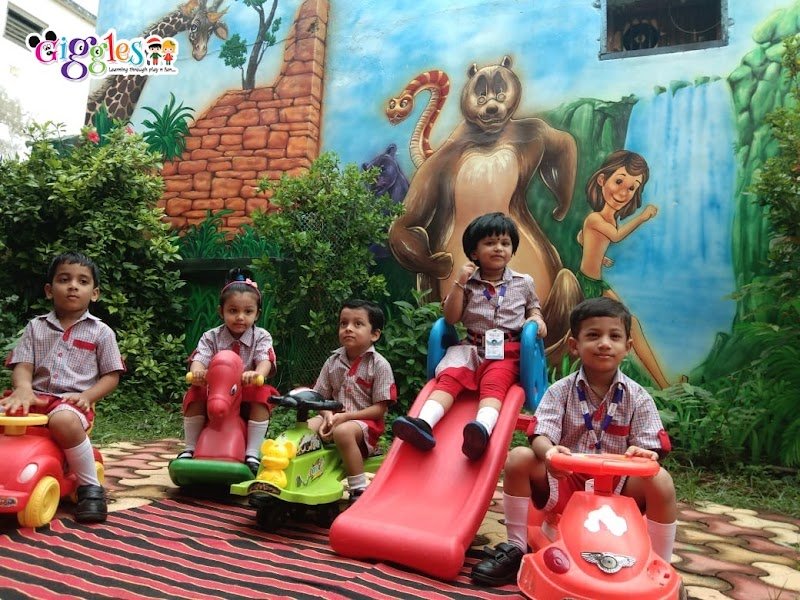
- South Hub – Hosts 5 centers, several of which are newer constructions with modern safety features and dedicated outdoor areas.
Fee bands across the city range from ₹4,000 to ₹12,000 per month, depending on the curriculum, class size, and facility upgrades. Most centers in the Central Zone charge toward the higher end because of larger campuses and additional enrichment programs such as music or basic computer exposure. North Hub schools keep costs lower by sharing resources, while South Hub providers often sit in the middle, balancing newer buildings with competitive pricing.
Safety & Operational Verification
Every indexed center undergoes a standard check that looks at three key safety areas:
- CCTV coverage – All classrooms and entry points must have functioning cameras that record continuously during operating hours.
- Caregiver‑to‑child ratios – The benchmark is one adult for every 6 children in the 2‑3 year group and one adult for every 8 children in the 4‑5 year group. Centers that exceed these ratios earn higher scores.
- Hygiene protocols – Daily cleaning logs, hand‑washing stations at each classroom door, and regular health checks for staff are required. Centers receive a hygiene rating that feeds into the overall evaluation score.
When you tour a school, ask to see the CCTV footage policy, request the latest caregiver‑ratio report, and check the cleanliness checklist posted in the staff room. These simple steps help verify that the advertised score of 88 / 100 reflects real‑world practices, not just paperwork.