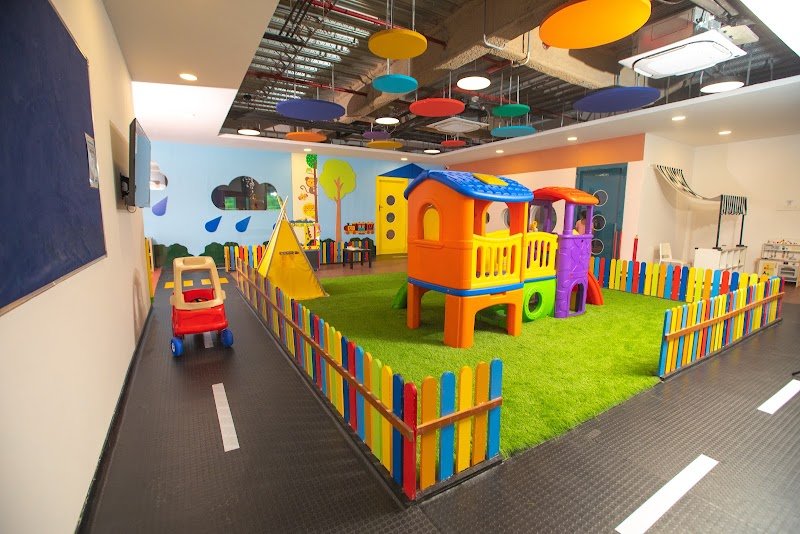
Choosing the right start for your child in Nanakramguda can feel like a big step, especially with the rapid growth of the Financial District. Our research currently identifies one major indexed center serving this specific area. While the number of dedicated facilities might seem limited right now, the quality of care is high, with our latest data showing an average evaluation score of 88/100. This score reflects a strong commitment to structured learning and a safe environment for your little ones, making this location a reliable option for working parents based in or commuting to the tech corridor.
Pre-Primary Learning Frameworks in Nanakramguda
Parents in this area tend to gravitate toward Montessori and Playway methods, and there is a clear reason for this preference. Nanakramguda is home to many professionals who value early independence and social development over rote memorization. The Montessori approach is particularly well-regarded here because it allows children to move at their own pace, using hands-on materials to grasp complex concepts like math and language naturally. By allowing kids to choose their work, these classrooms build genuine self-confidence.
The Playway method, on the other hand, acts as a perfect balance. It emphasizes learning through games, songs, and physical interaction. This is vital for the age group typically found in preschools, as it keeps them engaged without the pressure of traditional schooling. Together, these two frameworks provide a well-rounded foundation that prepares kids for the academic rigors they will eventually face in primary school while keeping their love for discovery intact.
Neighborhood & Campus Infrastructure
The preschool landscape in the Financial District is influenced heavily by the professional nature of the surrounding office parks. Because the neighborhood is designed for convenience, most parents look for facilities that offer proximity to their workplace. You will notice that the infrastructure here focuses on clean, efficient spaces rather than sprawling campuses.
When you look at the fee bands in this pocket of Telangana, they align with the premium nature of the area. However, parents get what they pay for: modern classrooms with proper ventilation, adequate natural light, and sanitized play zones. Most facilities are designed to keep the drop-off and pick-up process quick and simple, which is a major advantage for parents balancing high-pressure jobs.
Safety & Operational Verification
Safety is the primary metric we use when determining those high evaluation scores. An 88/100 rating signifies that the center meets rigorous standards for daily operations. Before you enroll your child, you should look for the following markers of a well-run facility:
- CCTV Coverage: Ensure all common areas, hallways, and classrooms have active, monitored cameras that record in real-time.
- Caregiver Ratios: A low adult-to-child ratio is essential. We check for a maximum of 1:10, though lower is always preferred for younger toddlers.
- Hygiene Standards: Look for strict protocols regarding shoe-free zones, daily cleaning schedules, and separate, sanitized restrooms for children.
- Background Verifications: Always confirm that staff undergo thorough police verification and that visitor access is strictly restricted by security personnel.
Nanakramguda is evolving quickly, and keeping a close eye on these operational details will ensure your child’s environment remains safe and supportive.