


Aman Vihar, Sahstradhara road, Dehradun, Uttarakhand, SAHSTRADHARA ROAD, DEHRADUN, UTTARAKHAND, Pincode: 248001
Kedarpur, Mothrowala Road, Near Siddeshwar Mandir, MOTHROWALA ROAD, DEHRADUN, UTTARAKHAND, Pincode: 248001
1 Mohini Road, near LG Showroom, DALANWALA, DEHRADUN, UTTARANCHAL, Pincode: 248001
No 29, Saraswati Sonimarg, Laxman Chowk, LAXMAN CHOWK, DEHRADUN, UTTARAKHAND, Pincode: 248001
Get Free Printable Worksheets Delivered to Your Inbox
Age-tailored activities (Alphabets, Math, Coloring) & 10-minute child meal ideas. Preview samples
Street Number 7, Rajender Nagar, Dehradun, Uttarakhand 248001, India

71/9, Neshvilla Rd, near Garhwal Sabha Mandir, Chukkuwala, Dehradun, Uttarakhand 248001, India
Janakpuri Enclave, GMS Rd, Shakti Enclave, Kaonli, Dehradun, Uttarakhand 248001, India
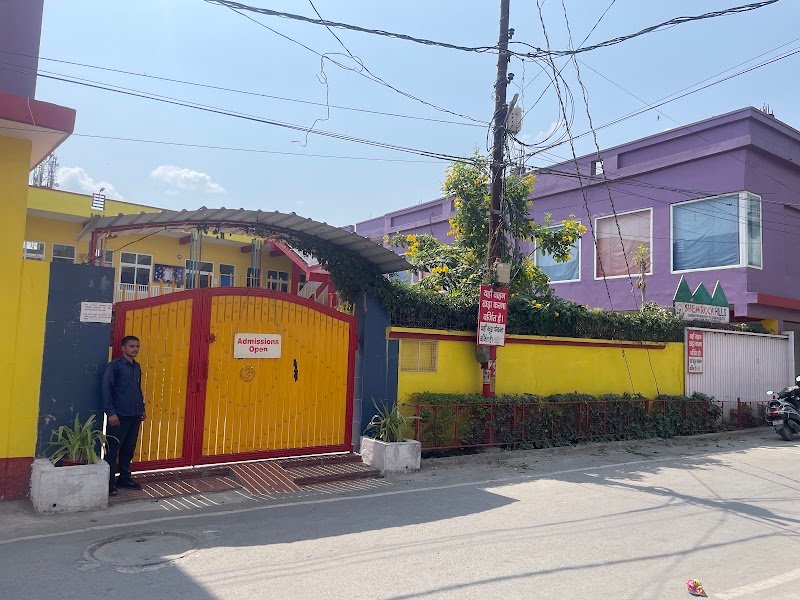

219, Park Rd, Gandhi Garam, Dehradun, Uttarakhand 248001, India
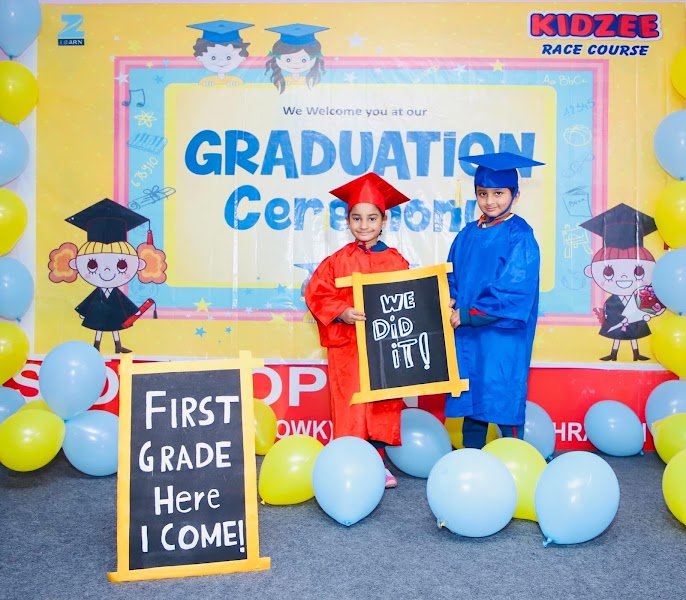
Guru Gobind sing chowk, East Rest Camp, Chander Nagar, Race Course, Dehradun, Uttarakhand 248001, India
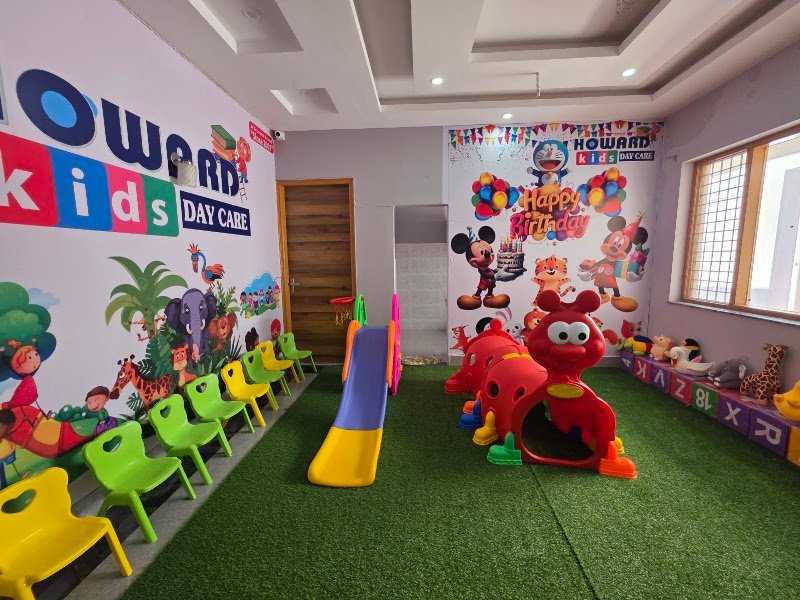
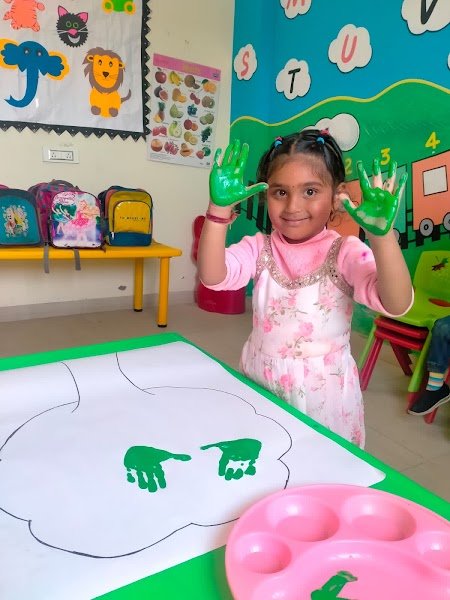
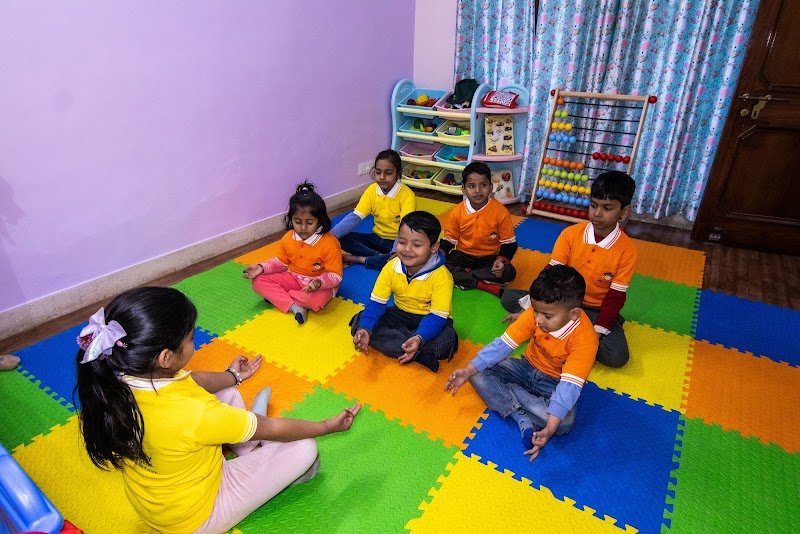
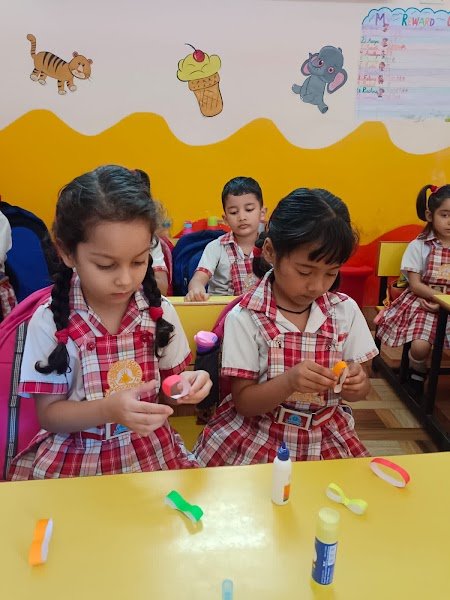
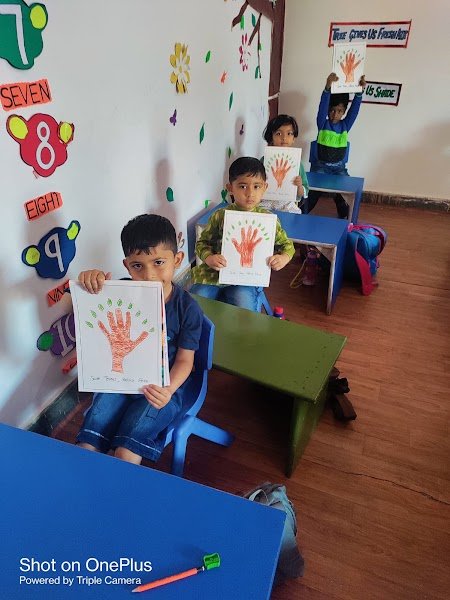
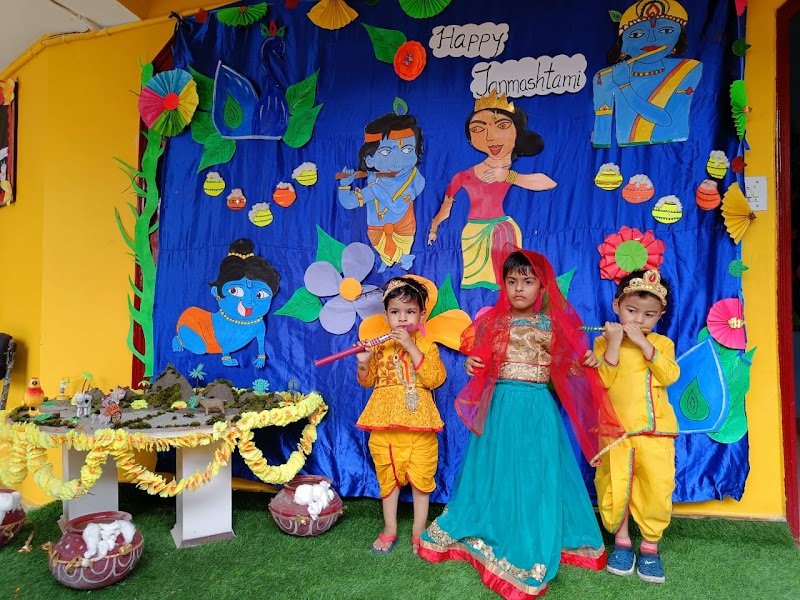
Parent Guide: Best Preschools & Daycares in Dehradun
Parent Guide: Best Preschools & Daycares in Dehradun
Dehradun’s early childhood education landscape has matured significantly, moving away from basic daycare structures toward structured, developmental learning environments. As of the latest indexing, we have cataloged 32 distinct preschool and daycare centers across the city. These facilities maintain a collective average evaluation score of 88/100, a metric that reflects consistent adherence to safety protocols, curriculum integrity, and facility standards. For parents in Uttarakhand, this high baseline score indicates a market where quality is not an exception but the standard. Whether you are seeking full-time care or part-time learning, the infrastructure in Dehradun supports a transition from informal play to formal pre-primary education with a high degree of reliability.
Pre-Primary Learning Frameworks in Dehradun
Two methodologies dominate the local market: Montessori and Playway. Their prevalence is not accidental; it reflects the specific needs of children in this region who are often preparing for a rigorous academic trajectory later in primary school.
- Montessori: This approach is favored by parents who value independence. In Dehradun, Montessori centers typically feature specialized materials that allow children to self-correct and learn at their own pace. It is particularly effective for developing fine motor skills and logical thinking before the child enters a traditional classroom setting.
- Playway: This curriculum is a strong competitor because it balances structured learning with active play. It focuses on social interaction and cognitive development through games and projects. For families who worry that Montessori might be too solitary for their child, Playway offers a more collaborative environment while still maintaining a strong academic foundation.
Both frameworks are well-suited for the local climate and lifestyle. They emphasize outdoor time and hands-on activities, which aligns well with the natural surroundings of Dehradun. Parents report that children who complete these pre-primary years show better attention spans and social confidence when they eventually enter government or private primary schools.
Neighborhood & Campus Infrastructure
The distribution of these 32 centers is strategically spread across the four major zones to minimize commute times for working parents. Each zone offers distinct advantages regarding space and cost.
- Central Zone: This area hosts the highest density of centers. Facilities here are often located in mixed-use commercial buildings with dedicated ground-floor classrooms. Fees tend to be at the upper end of the spectrum due to the convenience and proximity to major business hubs.
- South Hub: Many centers in this zone are standalone structures with larger outdoor play areas. The fee band here is moderate, offering a good balance between cost and facility size. It is a popular choice for families in the nearby residential colonies.
- East and West Zones: These areas feature a mix of established centers and newer openings. Facilities here often have more modern infrastructure, including air-conditioned classrooms and better-equipped science corners. Fees are competitive, often lower than the Central Zone, making these zones attractive for families seeking value without compromising on amenities.
Across all four zones, the facility standards are consistent. Most centers provide separate washrooms for boys and girls, dedicated nap rooms for toddlers, and secure entry points. The infrastructure is designed to withstand the local weather conditions, with proper ventilation and heating where necessary.
Safety & Operational Verification
An 88/100 average score is maintained through rigorous verification of safety and hygiene. We do not rely on self-reported data. Instead, our evaluation process includes site visits to verify specific operational metrics.
- CCTV Security: All indexed centers must have functional CCTV coverage in classrooms, corridors, and entry/exit points. We verify that footage is recorded and stored for a minimum period, and that parents have access to live feeds or recorded clips as per the center’s policy.
- Caregiver Ratios: We check staff rosters to ensure that the ratio of teachers to children meets or exceeds state guidelines. For the toddler section, we look for a maximum of 10-12 children per teacher, while the pre-primary section should not exceed 20-25 children per classroom assistant.
- Hygiene Standards: Evaluation includes checking the condition of washrooms, the cleanliness of play areas, and the storage and preparation of food. Centers must demonstrate clear protocols for handwashing and disinfection of shared materials. Any center failing to meet these hygiene benchmarks is flagged, which helps maintain the high average score of the network.
City Neighborhood Directory