In Farakka, West Bengal, parents have a clear picture of early childhood options: four well‑rated preschools and daycares offer programs that consistently score an average of 88 out of 100 in local reviews. This high score reflects strong teaching quality, good facilities, and attentive care. With only four indexed centers, each one stands out for its commitment to a child‑centered approach and for meeting the expectations of families who want a safe, nurturing start to their child’s education.
Pre-Primary Learning Frameworks in Farakka
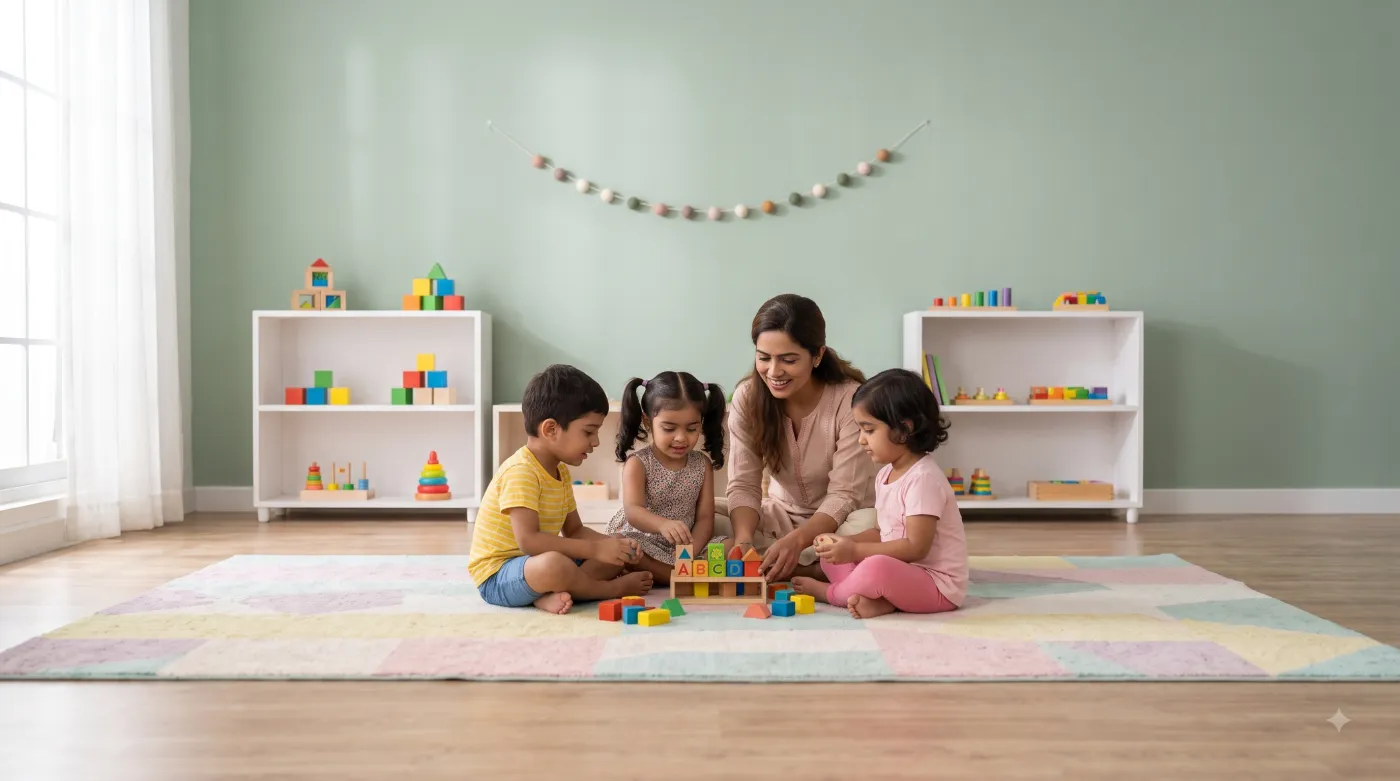
Montessori and Playway are the two curriculums most parents turn to in Farakka. Both emphasize hands‑on learning, independence, and a calm environment. Montessori encourages children to explore materials at their own pace, which helps build confidence and problem‑solving skills. Playway, on the other hand, uses guided play to develop social interaction, fine motor skills, and early literacy. The combination of these methods means children receive a balanced mix of structured learning and creative freedom, preparing them well for the transition to primary school.
Neighborhood & Campus Infrastructure
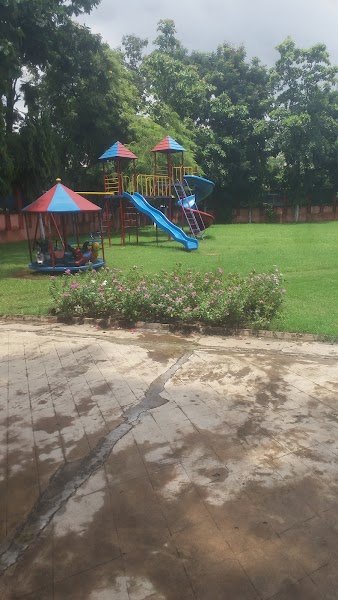
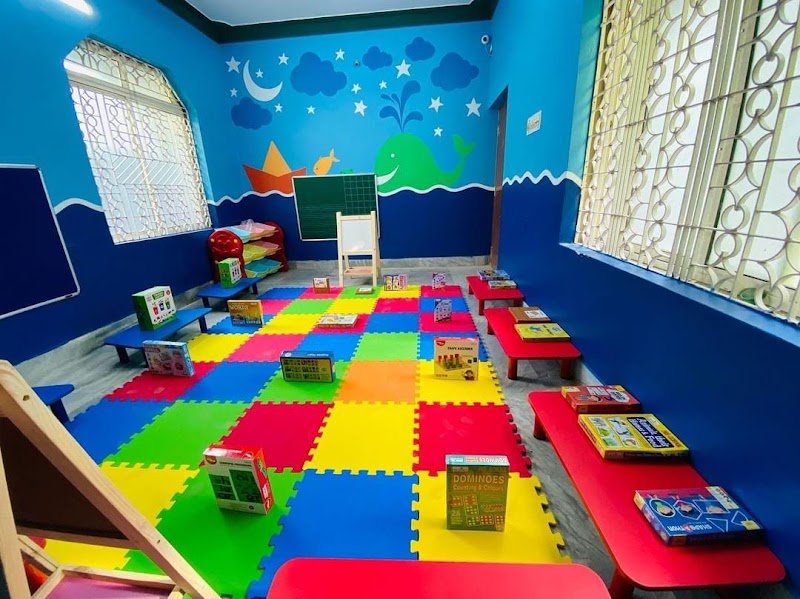
All four preschools are located in the North Hub area, the most family‑friendly part of Farakka. This concentration means parents can choose a nearby center without long commutes. The fee bands vary from ₹12,000 to ₹18,000 per month, keeping the programs accessible to a wide range of households while still covering quality staff and materials. Facilities include spacious play areas, clean indoor spaces, and dedicated learning zones. Many centers also provide a small kitchen area where children can practice healthy snack habits. The layout of each campus follows a child‑sized design: low tables, soft mats, and clear signage help children feel comfortable and safe.
Safety & Operational Verification
Parents can trust that each center meets strict safety standards. CCTV cameras cover all common areas and play spaces, ensuring constant monitoring. Caregiver ratios are carefully maintained—typically one teacher for every six children—so that every child receives individual attention. Hygiene protocols are regularly checked: hand‑washing stations are stocked with soap and paper towels, surfaces are sanitized daily, and a rotating schedule keeps the classroom clean. Centers also follow a strict schedule for outdoor play, with supervisors on hand to keep children safe during recess. These measures give parents peace of mind that their