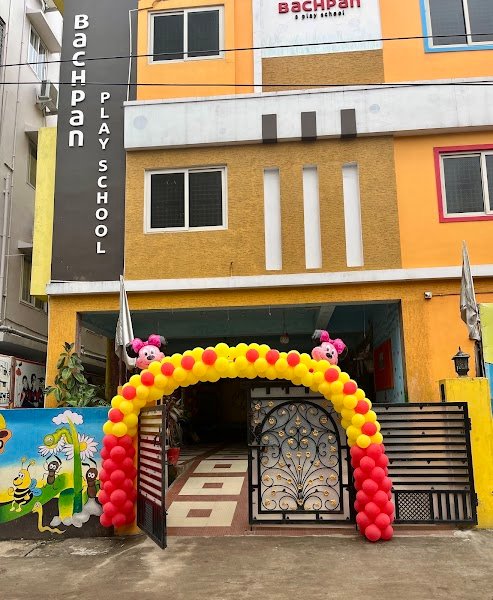
Gajuwaka, a bustling suburb of Visakhapatnam in Andhra Pradesh, hosts 31 indexed early‑education centers. These schools collectively earned an average evaluation score of 88 out of 100, indicating solid overall quality in teaching, safety, and infrastructure. Parents in the area benefit from a dense network of options, allowing them to compare curricula, fees, and facilities without traveling far. This guide breaks down the most common learning approaches, the geographic spread of campuses, and the safety checks that keep children protected.
Pre‑Primary Learning Frameworks in Gajuwaka
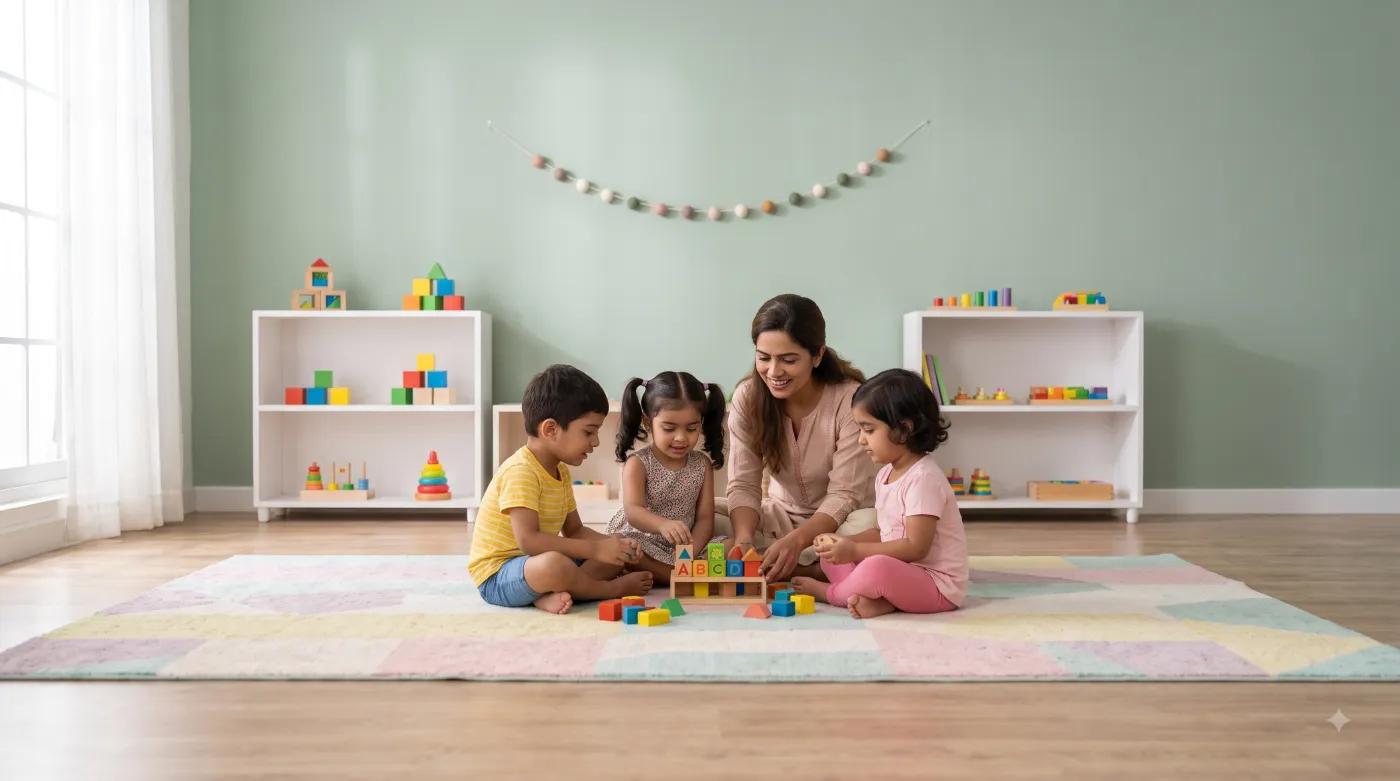
Montessori and Playway dominate the local market because they match the expectations of Gajuwaka families for child‑centered, activity‑rich environments. Montessori classrooms focus on hands‑on materials that let children explore concepts such as size, shape, and number at their own pace. The method encourages independence, fine‑motor skill development, and early problem‑solving. Playway, on the other hand, blends structured play with thematic lessons, making learning feel like a natural part of daily fun. This approach helps children develop language skills, social confidence, and basic numeracy while they engage in games, music, and art. Both curricula are praised for reducing reliance on rote memorization and for building curiosity, which parents see as a strong foundation for later schooling.
Neighborhood & Campus Infrastructure
Preschool locations mirror the residential layout of Gajuwaka. The 31 centers are spread across five key neighborhoods, ensuring most families have a school within a short commute.
- Kurmannapalem – Home to 8 centers, many of which offer extended hours to accommodate shift workers.
- Gonthinavanipalem – Hosts 6 schools, several with dedicated indoor play areas and parent‑waiting lounges.
- Akkireddypalem – Contains 5 campuses, many of which provide transportation services for nearby colonies.
- Seetharam Nagar – Features 7 institutions, with fee bands ranging from ₹4,500 to ₹9,000 per month, reflecting variations in classroom size and extra‑curricular options.
- Chaitanya Nagar – Holds 5 centers, several of which are part of larger educational groups offering seamless transition to primary grades.
Facility standards across the board include child‑sized furniture, secure entry points, and well‑ventilated classrooms. Most schools maintain a clean, colorful environment with designated zones for reading, art, and outdoor play. Parents can expect clear fee structures, with most institutions providing a detailed breakdown of tuition, material costs, and any additional activity fees.
Safety & Operational Verification
Every indexed center undergoes a standardized evaluation that checks three core areas: security, caregiver ratios, and hygiene.
- CCTV security – All 31 schools are required to have functioning surveillance cameras covering entryways, play yards, and classroom doors. Footage is stored for at least 30 days and can be reviewed on request.
- Caregiver‑to‑child ratios – The benchmark is one qualified teacher for every 8 children in a Montessori setting and one assistant for every 10 children in Playway groups. This ratio ensures individual attention and quick response in case of emergencies.
- Hygiene standards – Daily cleaning schedules, hand‑washing stations at each classroom entrance, and regular health inspections are mandatory. Centers must also maintain up‑to‑date vaccination records for all enrolled children.
Parents can verify a school's compliance by asking to see the latest evaluation report, which lists the exact scores for each of these criteria. Schools that meet or exceed the 88‑point average typically display their certificates at the reception desk, providing an extra layer of confidence for families choosing the right early‑learning environment in Gajuwaka.